

Citation & Reputation Management Guide to Local SEO Dominance
TL;DR: Citation & Reputation Management Essentials
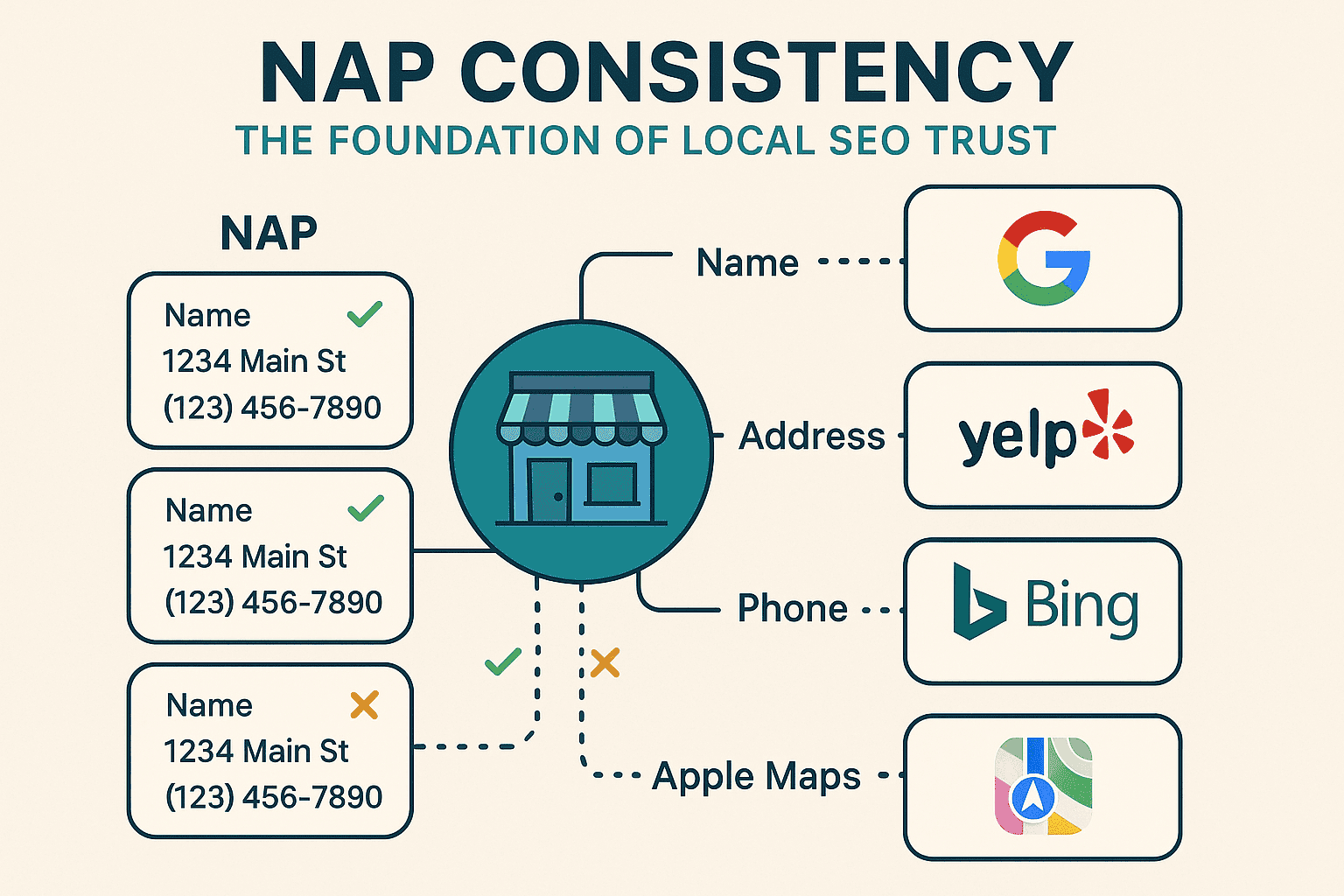
What: Citation management ensures your business Name, Address, Phone (NAP) is consistent across 50+ online directories. Reputation management builds and protects your online reviews and star ratings.
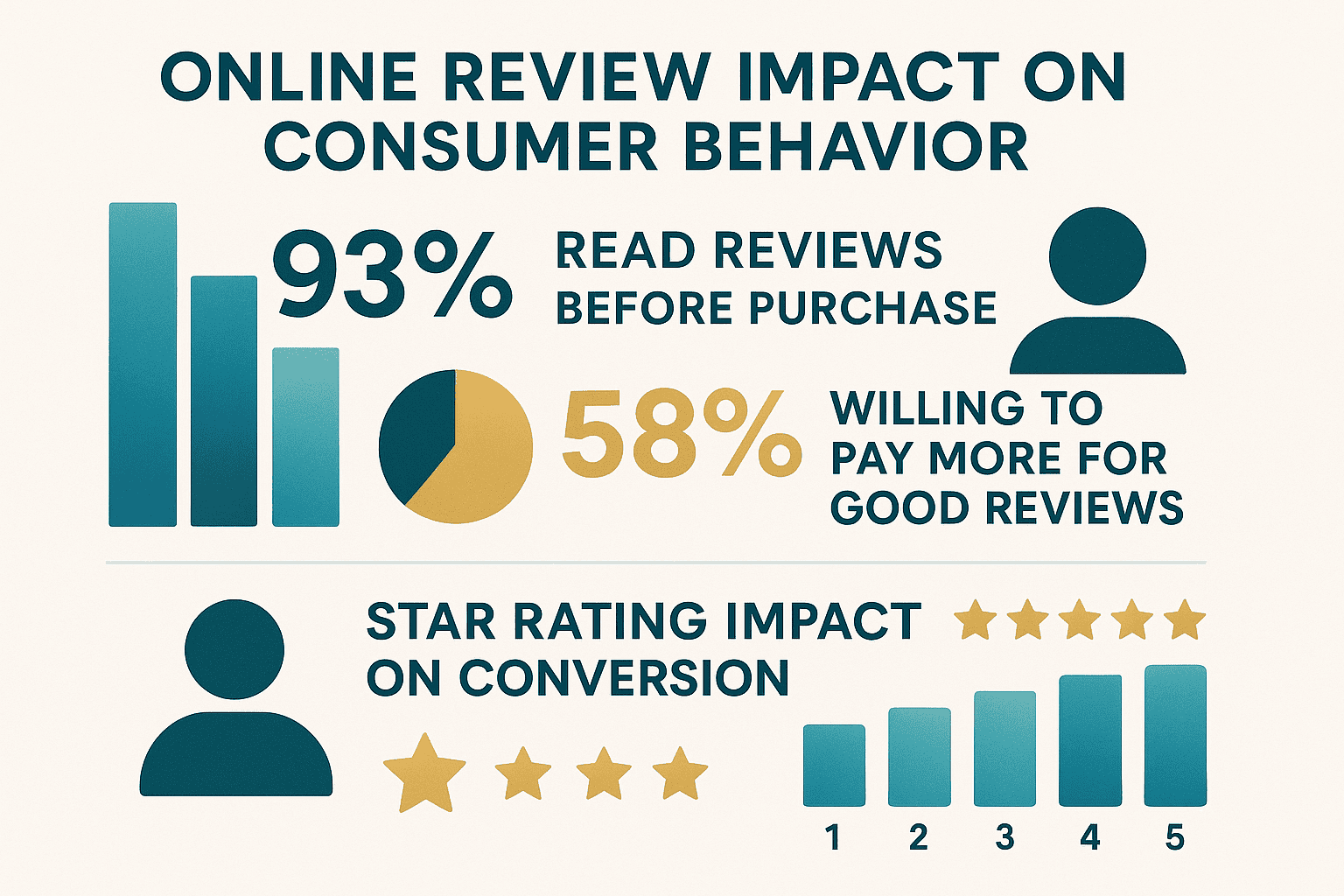
Why It Matters: 93% of consumers read reviews before purchasing. Consistent NAP signals trust to Google, boosting local pack rankings by up to 40%.
Timeline: Audit and cleanup (2-4 weeks) → Citation building (4-8 weeks) → Ongoing reputation monitoring (continuous)
Cost: DIY ($0-500/month for tools) or Agency ($500-2,000/month for full service)
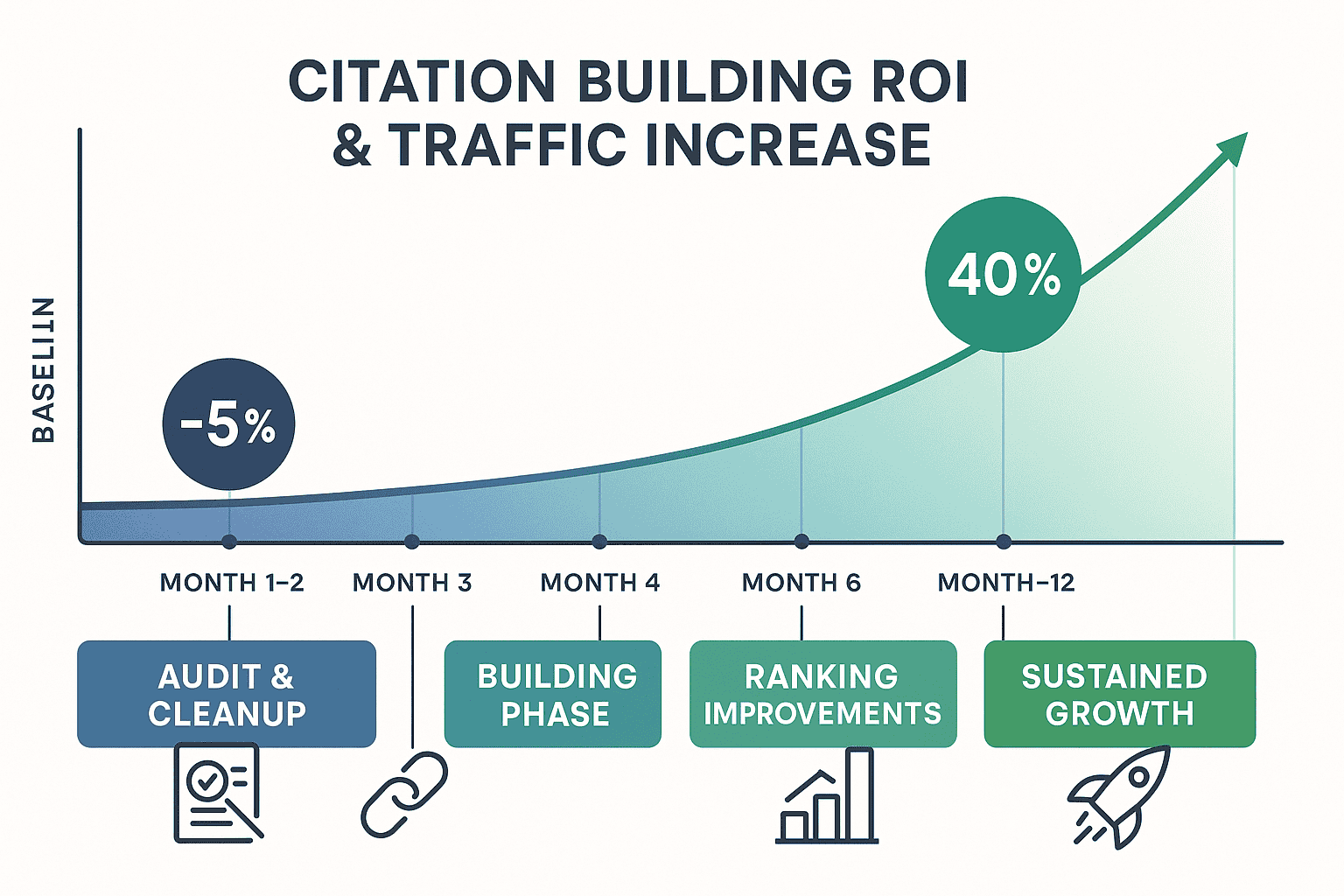
ROI: 30-50% increase in local search visibility, 15-25% increase in organic traffic within 6-12 months
Part 1: The Foundation – Why Citation & Reputation Are Your Most Powerful Local SEO Assets
Introduction: The New Battlefield for Local Businesses in 2025
In the digital landscape of 2025, the rules of engagement for local businesses have been irrevocably altered. The traditional model of simply having a website and hoping for traffic is a relic of a bygone era. We are now entrenched in the age of AI-powered search and zero-click experiences. Google’s AI Overviews now act as the primary arbiter of information, synthesizing data from across the web to provide direct answers, often negating the need for a user to click through to a website at all.
This is where the twin pillars of Citation Management and Online Reputation Management (ORM) ascend from tactical afterthoughts to the core infrastructure of a successful local online presence. They are no longer optional line items in a marketing budget but the very foundation upon which a business’s digital identity is built, maintained, and defended.
Defining the Core Components
What is a Local Citation?
At its most fundamental level, a local citation is any online mention of a business’s core identifying information: its Name, Address, and Phone number (NAP). Think of these as your business’s digital footprints scattered across the vast landscape of the internet. The more consistent and clear these footprints are, the easier it is for search engines like Google to follow the trail back to you, confirming your existence, validating your location, and establishing your relevance to a specific geographic area.
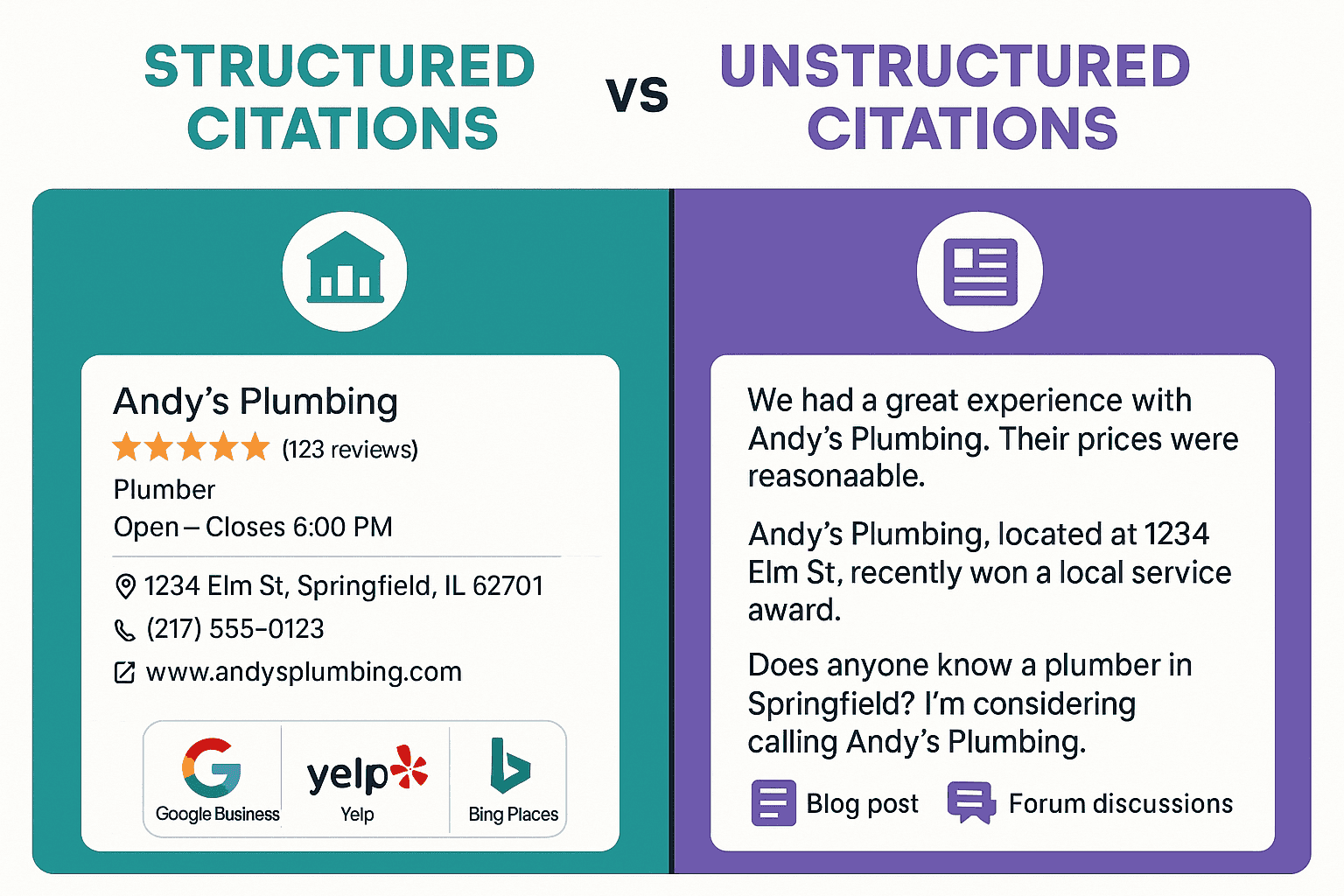
Citations exist in two primary forms:
- Structured Citations: Found in organized business directories where NAP information is submitted into designated fields (Google Business Profile, Yelp, Apple Maps, Bing Places, industry-specific directories)
- Unstructured Citations: Organic mentions of NAP information within unstructured text (local news blogs, community forums, supplier websites)
What is Online Reputation Management (ORM)?
If citations are the “what” and “where” of your business, Online Reputation Management (ORM) is the “why”—why a customer should choose you. ORM is the comprehensive practice of monitoring, influencing, and actively managing the public perception of a brand across the entire digital ecosystem.
The financial impact of ORM is direct and measurable: 58% of consumers are willing to pay more or travel further to visit companies with good reviews. Reputation is not a vanity metric; it is a direct driver of revenue.
Part 2: The Citation Audit & Building Blueprint
Step 1: Conduct a Comprehensive Citation Audit
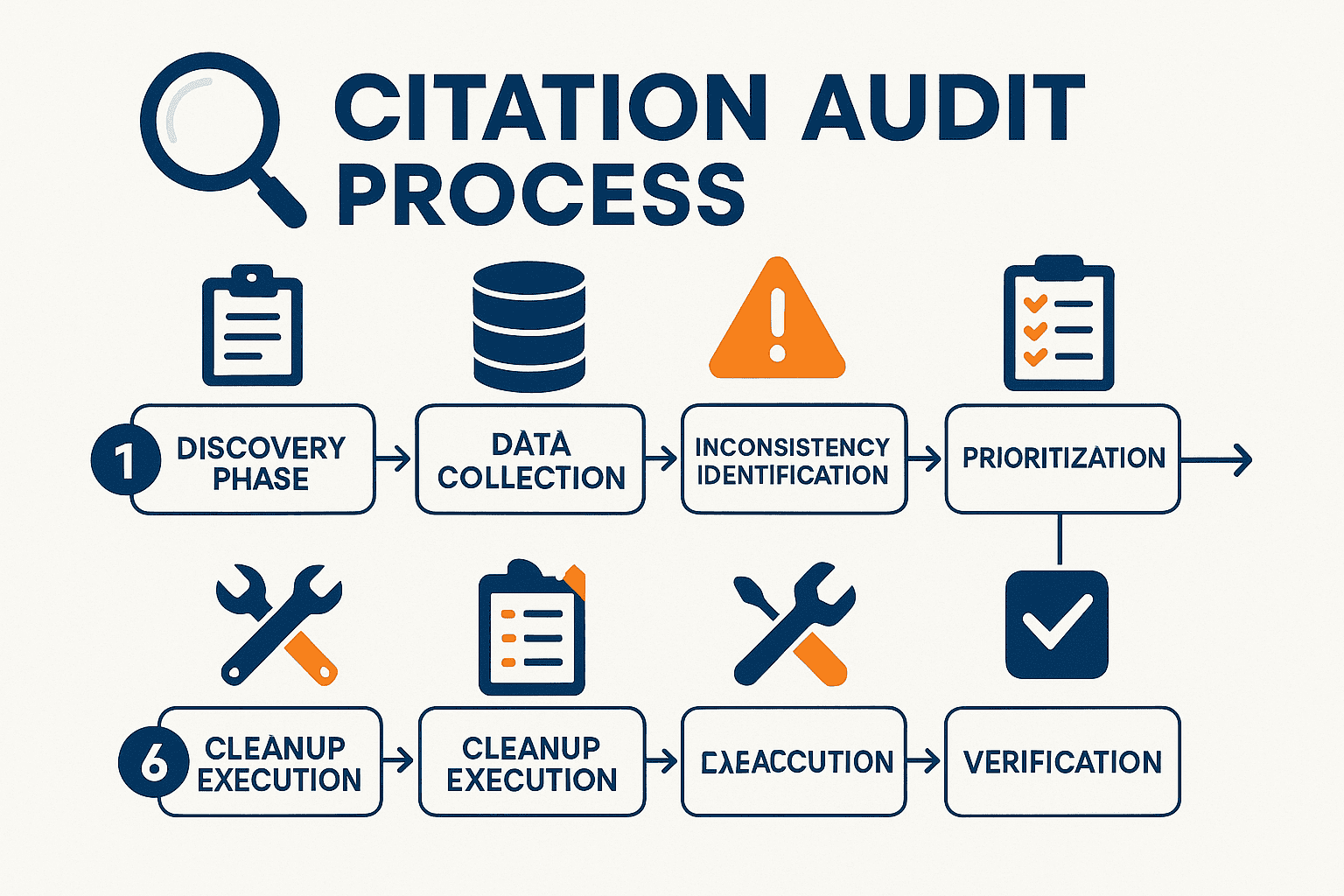
The citation audit is the diagnostic phase of your local SEO strategy. Before you can fix inconsistencies or build new citations, you must first understand the current state of your digital footprint. This involves systematically discovering every existing mention of your business online and documenting any discrepancies.
Tools for Citation Discovery
| Tool | Type | Best For | Cost |
|---|---|---|---|
| Moz Local | Automated | Comprehensive audit & distribution | $129/year per location |
| BrightLocal | Automated | Citation tracking & monitoring | $29/month |
| Whitespark | Automated | Citation finder & local search rank tracker | $20/month |
| Manual Google Search | Manual | Budget-conscious businesses | Free |
Step 2: Prioritize and Execute Citation Cleanup & Building
Once you’ve completed your audit, you’ll have a clear picture of where your citations exist, where they’re inconsistent, and where they’re missing entirely. The next step is strategic execution: fixing what’s broken and building what’s missing, in order of priority.
Citation Building Priority Framework
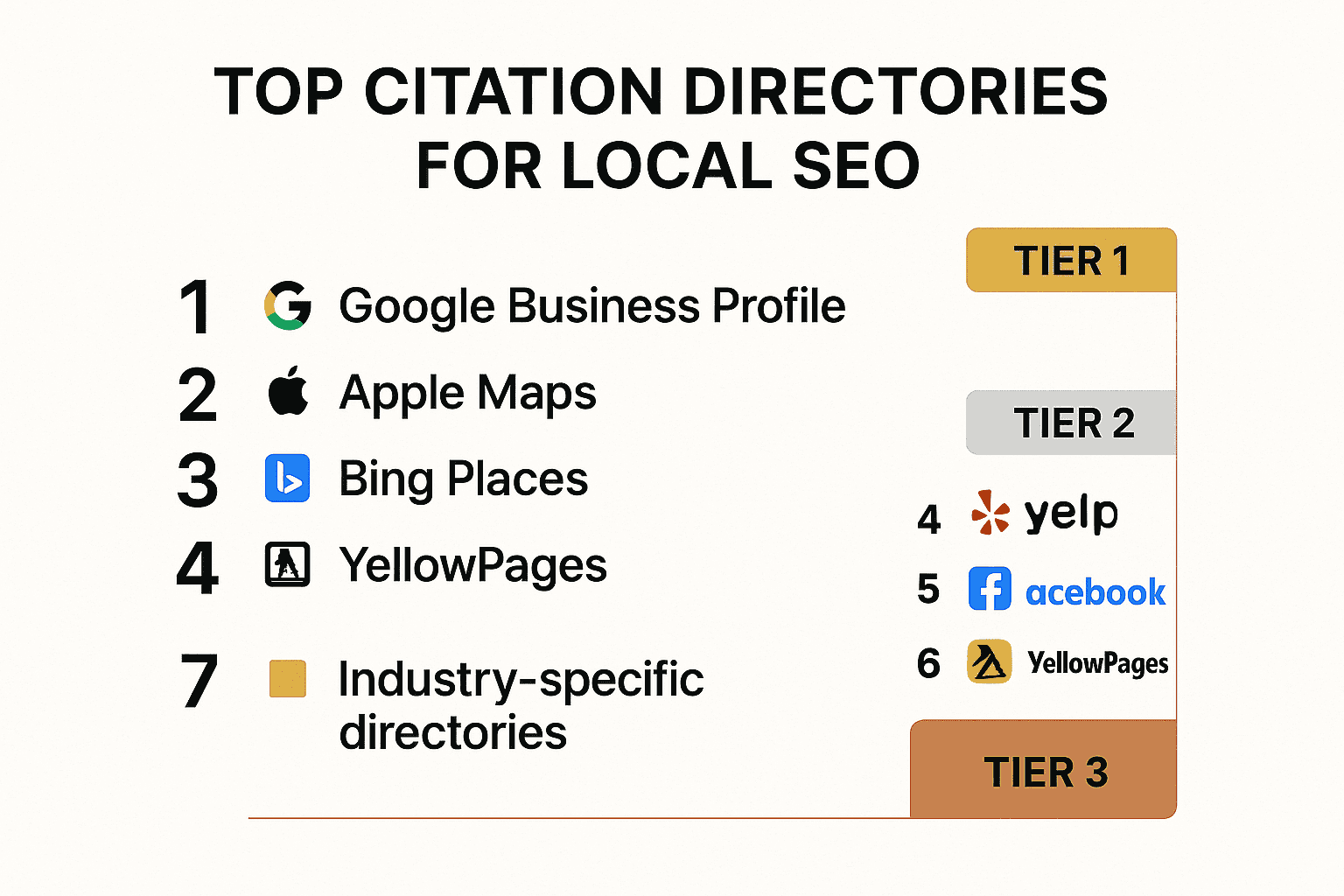
| Tier | Platforms | Impact | Timeline |
|---|---|---|---|
| Tier 1 (Critical) | Google Business Profile, Apple Maps, Bing Places | Highest – Direct map pack visibility | Week 1 |
| Tier 2 (High Value) | Yelp, Facebook, YellowPages, BBB | High – Major review platforms | Week 2-3 |
| Tier 3 (Industry-Specific) | Industry directories (Avvo, Healthgrades, Houzz) | Medium – Niche authority | Week 4-6 |
Part 3: Mastering Reputation Management
The Psychology of Online Reviews
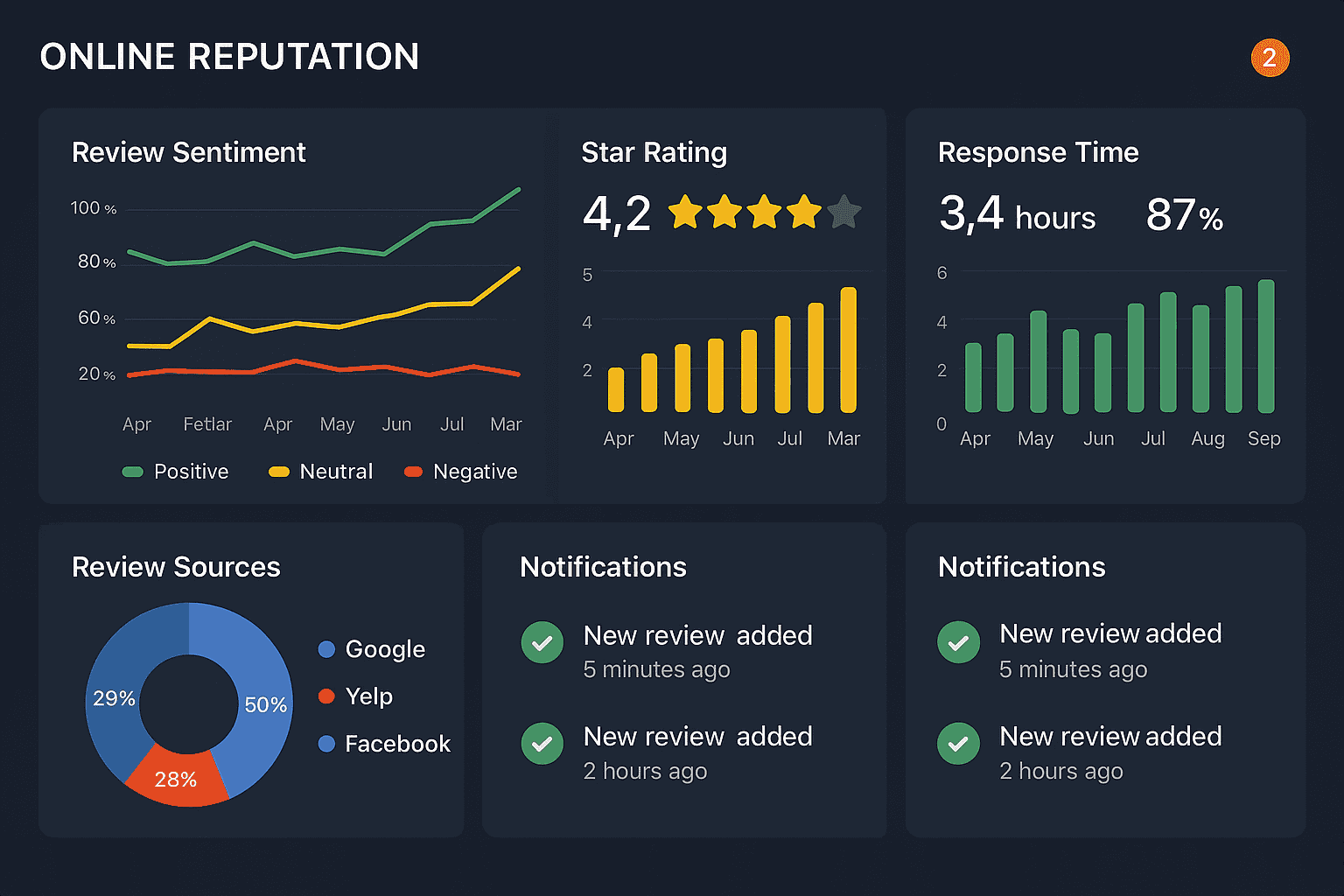
Online reviews are the modern equivalent of word-of-mouth recommendations, amplified to a global scale. They serve as social proof, reducing the perceived risk of choosing an unfamiliar business. Understanding the psychology behind why reviews matter is the first step to leveraging them effectively.
Proactive Review Acquisition Strategy
The most successful businesses don’t wait for reviews to happen organically—they systematically engineer review generation as part of their customer experience. Here’s a proven framework:
- Timing is Everything: Ask for reviews at the moment of peak satisfaction (immediately after successful service delivery)
- Make It Frictionless: Provide direct links to your Google Business Profile review page
- Personalize the Ask: Train staff to make personal requests, not automated mass emails
- Follow Up (Once): Send one polite reminder email 3-5 days after the initial request
The Art of Responding to Reviews (Both Good and Bad)
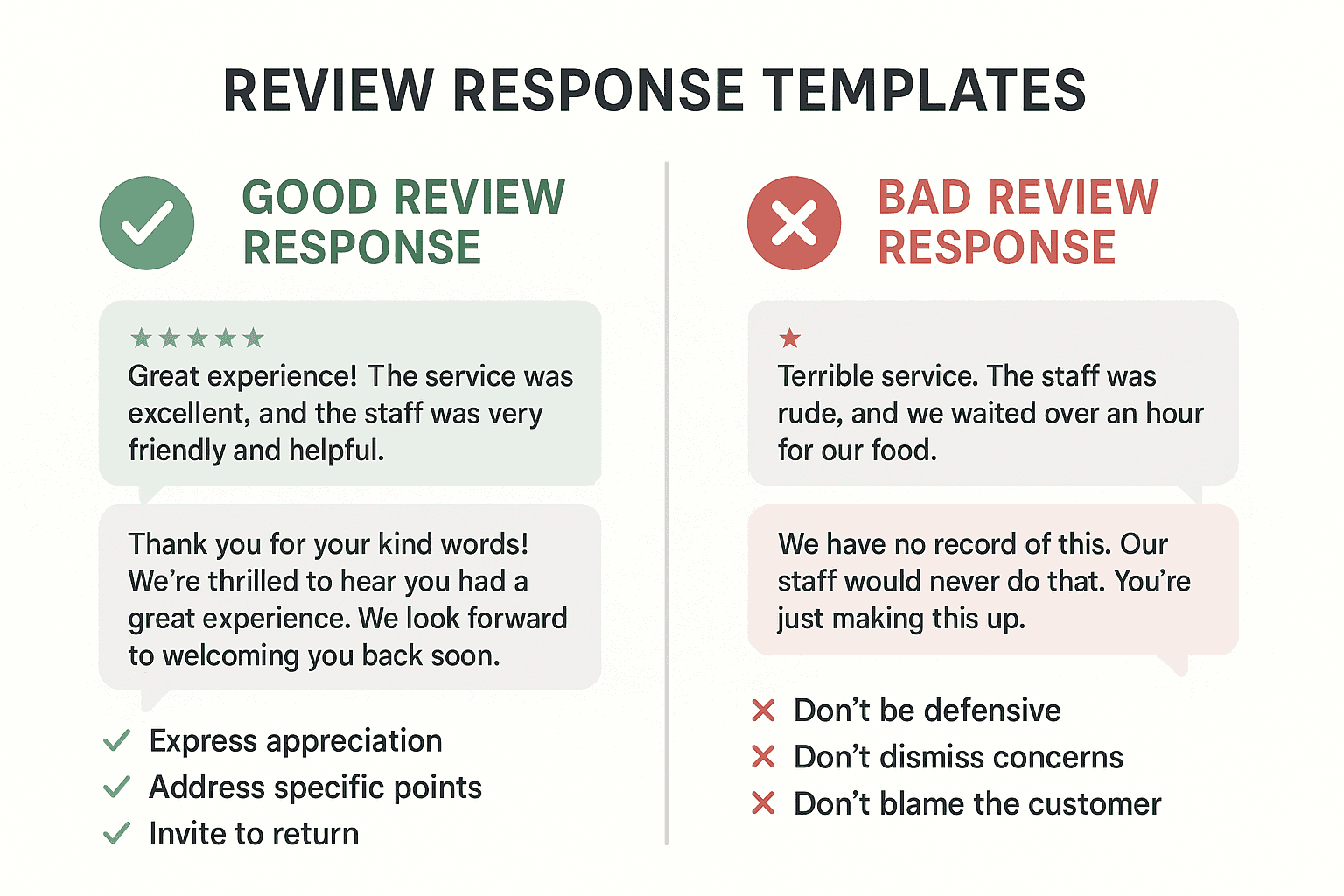
Every review—positive or negative—is an opportunity to demonstrate your professionalism, build trust with future customers, and show that you value feedback. Response strategy differs based on review sentiment:
Responding to Positive Reviews
- Express Genuine Appreciation: Thank the reviewer by name
- Personalize the Response: Reference specific details they mentioned
- Reinforce Your Brand: Subtly mention your core values or unique selling proposition
- Invite Them Back: Encourage repeat business
Responding to Negative Reviews
- Respond Quickly: Within 24-48 hours shows you care
- Acknowledge and Apologize: Even if you disagree, acknowledge their experience
- Take It Offline: Provide contact information to resolve privately
- Never Be Defensive: Stay professional and solution-focused
Frequently Asked Questions (FAQ)
Q: What is the difference between a citation and a backlink?
A: A citation is a mention of your business NAP (Name, Address, Phone) on another website, while a backlink is a clickable hyperlink pointing to your website. Citations build local SEO authority; backlinks build domain authority. Both are important but serve different purposes.
Q: How many citations does my business need?
A: Quality trumps quantity. Focus on 50-100 high-quality, relevant citations rather than hundreds of low-quality ones. Prioritize the top 20 directories (Google, Yelp, Bing, Apple Maps, Facebook, industry-specific platforms) and ensure perfect NAP consistency across all.
Q: Can I delete negative reviews?
A: You cannot delete legitimate negative reviews. However, you can flag reviews that violate platform policies (fake reviews, spam, hate speech). The best strategy is to respond professionally to negative reviews and generate more positive reviews to dilute their impact.
Q: How long does it take to see results from citation building?
A: Initial improvements in local pack visibility can occur within 4-8 weeks after fixing major citation inconsistencies. Full impact typically manifests within 6-12 months as Google re-crawls and re-indexes your citations across the web.
Q: Should I hire an agency or do citation management myself?
A: DIY is feasible for single-location businesses with time to invest (10-20 hours for initial audit and cleanup). Multi-location businesses or those lacking time should consider agencies ($500-2,000/month) or citation management tools like Moz Local ($129/year per location).
Q: What is NAP consistency and why does it matter?
A: NAP consistency means your business Name, Address, and Phone number are identical across all online platforms. It matters because Google uses NAP consistency as a trust signal—inconsistent information confuses search engines and can prevent you from appearing in local search results.
Q: How do I ask customers for reviews without being pushy?
A: Ask at the moment of peak satisfaction (right after successful service), make it easy with direct links, personalize the request, and send only one polite follow-up reminder. Never incentivize reviews with discounts (violates Google policies).
Q: What tools are best for citation management?
A: Top tools include Moz Local (comprehensive distribution), BrightLocal (tracking and monitoring), Whitespark (citation finder), and Yext (enterprise multi-location management). For budget-conscious businesses, manual management using Google Sheets and Google Alerts is feasible but time-intensive.
Conclusion: From Strategy to Dominance
Summary of the Blueprint
Citation and reputation management are not one-time projects but ongoing disciplines that require systematic attention. The blueprint we’ve outlined provides a clear path:
- Audit: Discover and document all existing citations (2-4 weeks)
- Clean Up: Fix inconsistencies and claim unclaimed listings (4-6 weeks)
- Build: Systematically create new citations on priority platforms (6-12 weeks)
- Monitor: Continuously track reviews and respond promptly (ongoing)
- Optimize: Refine strategy based on performance data (quarterly)
Expected Results Timeline
| Timeline | Milestone | Expected Impact |
|---|---|---|
| Month 1-2 | Audit complete, Tier 1 citations fixed | 5-10% visibility improvement |
| Month 3-4 | All major citations built, review system active | 15-25% visibility improvement |
| Month 6-12 | Full citation portfolio, 4.5+ star rating | 30-50% visibility improvement |
Your Path to Local Dominance
The businesses that will dominate local search in 2025 and beyond are those that recognize citation and reputation management not as optional tactics, but as foundational infrastructure. By following this blueprint systematically, you’re not just improving your search rankings—you’re building a digital moat of credibility that competitors cannot easily breach and that customers will implicitly trust.
The time to act is now. Every day without a comprehensive citation and reputation strategy is a day your competitors gain ground. Start with your audit this week, and begin the journey from digital obscurity to local dominance.

Travis Wilkie is the entrepreneurial force behind one of the most results-driven local search agencies in Arizona. With over a decade of front-line marketing experience and a proven track record of engineering dramatic lead-flow systems for service businesses, his mindset is simple: show up where your prospects are searching, talk to them in real-time, and turn clicks into calls into revenue.
Marketing isn’t about being loud—it’s about being present, persuasive, and persistent. Travis believes that by combining high-touch digital systems (chat, phone, reviews) with laser-focused geo-SEO and AI automation, the difference between “average” and “exceptional” becomes a choice you control.
If you’re a contractor, home-service provider or local business owner in the Phoenix region, partnering with Travis means you’ll:
-
Become highly visible in the coveted Google “3-Pack” map results for entire service territories—so you capture customers who search with intent.
-
Deploy AI chatbots and real-time interaction systems that greet website visitors, book service calls, and nurture leads without you having to chase them.
-
Generate more reviews, build a reputation machine, and turn your online presence into a revenue engine—not just a brochure site.
-
Move past “hopeful marketing” and into “predictable pipeline” mode: you’ll see the metrics that matter, understand the ROI, and scale what works.