

Small Business SEO Marketing to Dominate Google in 2025
TL;DR – Quick Summary for Busy Business Owners
Need a small business SEO marketing agency? Here’s what you need to know:
- Cost: $1,500-$5,000/month for most small businesses (beware of agencies under $500/month)
- Timeline: 6-12 months for significant results (anyone promising faster is lying)
- Best For: Local service businesses, e-commerce stores, and B2B companies ready to invest in long-term growth
- Strategy: Local SEO + AI-optimized content + technical excellence + white-hat link building
- Expected ROI: 20-30% organic traffic increase within 12 weeks with the right agency
- Why Now: AI Overviews and zero-click searches are changing SEO in 2025 – you need an AI-ready agency
- Phoenix Area Businesses: Phoenix SEO Geek‘s proven Omni Protocol delivers up to 300 new calls per month for local businesses
Bottom Line: Choosing the wrong SEO agency wastes money and time. This guide shows you exactly how to find a strategic partner who delivers measurable ROI, not just vanity metrics.
Part 1: The High-Stakes Decision
Choosing a small business SEO marketing agency is one of the most consequential decisions you’ll make for your company’s digital future. Get it right, and you’ll unlock a steady stream of high-intent customers who are actively searching for your products or services. Get it wrong, and you’ll waste thousands of dollars on tactics that don’t move the needle—or worse, tactics that get your website penalized by Google.
The stakes have never been higher. In 2025, the digital marketing landscape is more complex and competitive than ever before. Google’s algorithm has evolved dramatically with the introduction of AI Overviews (formerly SGE), which now appear in the majority of search results. The traditional “10 blue links” are being replaced by AI-generated summaries, featured snippets, and zero-click searches. If your SEO strategy isn’t optimized for this new reality, you’re already falling behind.
The New Battlefield of Search (2025)
Search engine optimization in 2025 is fundamentally different from SEO in 2020, 2015, or even 2023. Here’s what’s changed:
AI-Powered Search is the New Normal. Google’s AI Overviews now appear in over 60% of search results, providing direct answers to user queries without requiring a click. This means your content must be structured, authoritative, and optimized for AI consumption—not just traditional keyword rankings.
E-E-A-T is Now a Ranking Factor. Google explicitly prioritizes content that demonstrates Experience, Expertise, Authoritativeness, and Trustworthiness. Generic, thin content no longer ranks. Your agency must understand how to build genuine authority signals.
Local SEO Has Become Hyper-Competitive. The Google Local Pack (the “Map 3-Pack”) is the most valuable real estate in search. Appearing here can increase visibility by up to 700%. But competition is fierce, and the ranking factors are constantly evolving.
Zero-Click Searches Are the Majority. Over 50% of Google searches now end without a click to a website. This doesn’t mean SEO is dead—it means your strategy must adapt to capture attention in featured snippets, knowledge panels, and AI Overviews.
Phoenix Market Insight: For businesses in the Phoenix metropolitan area, the challenge is even more complex. Phoenix’s sprawling geography spans 25+ distinct cities and neighborhoods, each with unique search behavior. A generic SEO strategy that works in other markets will fail here. Phoenix SEO Geek has spent 20 years mastering these nuances with their proprietary Omni Protocol—a 203-step process that provides “local place authority” across the entire metro area, not just near your physical address.
The Cost of a Bad Partnership
The wrong SEO agency doesn’t just fail to deliver results—it actively damages your business. Here’s what happens when you choose poorly:
Wasted Budget. The average small business spends $2,000-$5,000 per month on SEO services. If your agency is using outdated tactics, producing low-quality content, or chasing vanity metrics, that’s $24,000-$60,000 per year down the drain.
Lost Opportunity Cost. Every month you’re not ranking is a month your competitors are capturing your potential customers. If your market has 1,000 monthly searches for your core service and you’re not in the top 3 results, you’re losing an estimated 500-700 potential customers to competitors.
Google Penalties. Agencies that use black-hat tactics—buying links, keyword stuffing, cloaking, or other manipulative techniques—can get your site penalized or even de-indexed by Google. Recovery from a manual penalty can take 6-12 months and cost tens of thousands of dollars.
Brand Damage. Poor-quality content, spammy backlinks, and low-value directory listings don’t just fail to help—they actively harm your brand’s reputation. Customers judge your business by your online presence.
The Promise of a Strategic Partner
On the flip side, the right SEO agency becomes a true strategic partner in your business growth. Here’s what’s possible:
Predictable Lead Generation. A well-executed SEO strategy generates a steady stream of high-intent leads month after month. Unlike paid advertising, which stops the moment you stop paying, SEO builds a long-term asset that compounds over time.
Superior ROI. SEO typically delivers 5-10x ROI over a 12-24 month period. While paid ads might generate $3-$5 for every $1 spent, SEO can generate $10-$20 for every $1 invested once it gains momentum.
Market Dominance. When you consistently rank in the top 3 positions for your most valuable keywords, you become the de facto leader in your market. Customers perceive top-ranking businesses as more credible, established, and trustworthy.
Competitive Moat. Once you’ve built strong domain authority, quality backlinks, and comprehensive content, it becomes exponentially harder for competitors to displace you. You’ve built a defensible competitive advantage.
Real Results from Phoenix SEO Geek: Local Phoenix businesses using the Omni Protocol see up to 300 new calls per month and revenue growth from 5-6 figures to 7 figures in less than a year. These aren’t vanity metrics—they’re business-changing outcomes backed by transparent reporting and a proven methodology refined over 20 years.
The question isn’t whether you need SEO—it’s whether you’re going to choose an agency that treats it as a commodity service or a strategic partner who understands your business, your market, and the modern SEO landscape. This guide will show you exactly how to tell the difference.
Part 2: The Foundation – Define Your Business & SEO Goals
Before you even begin researching agencies, you must have absolute clarity on two fundamental questions: What type of business do I have? and What are my specific SEO goals? These answers will determine everything—from the type of agency you need to the budget you should allocate to the metrics you’ll track.
Too many business owners skip this step and jump straight to “I need more traffic” or “I want to rank #1.” But SEO without strategy is just expensive noise. Let’s get specific.
Q1: What is Local SEO and who needs it?
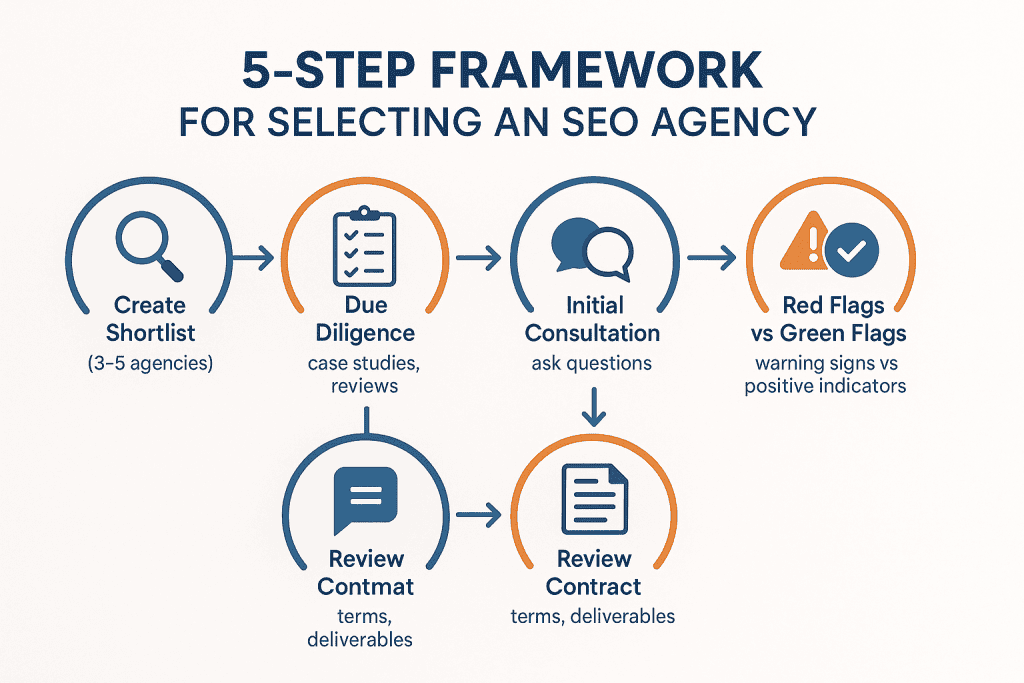
Definition: Local SEO is a specialized optimization strategy designed for businesses that serve customers in a specific geographic area. This includes restaurants, dentists, law firms, HVAC contractors, retail storefronts, home service providers, medical practices, and any business where customers need to visit a physical location or where service is delivered locally.
Who Needs Local SEO? If you serve customers in a defined location, Local SEO is your lifeblood. Your primary goal is to be visible to customers who are physically near you or searching for services in your location.
The Core Objective: Success for local businesses isn’t about ranking nationally for generic terms like “best pizza.” It’s about dominating the Google Map Pack when someone in your neighborhood searches for “pizza near me” or “Phoenix HVAC repair.”
Key Goals for Local SEO:
- Increase foot traffic to your physical location
- Generate high-intent phone calls from customers ready to buy
- Dominate the Google Local Pack (the Map 3-Pack that appears above organic results)
- Build a stellar online reputation through reviews and ratings
- Appear in “near me” searches and location-specific queries
What Your Agency Must Master: Your agency must be a master of Google Business Profile (GBP) optimization, citation management (ensuring your NAP—Name, Address, Phone—is consistent across the web), local link building, review generation and management, and location-specific content creation.
The Phoenix Advantage: For Phoenix-area businesses, local SEO is particularly complex due to the metro area’s sprawling geography. Most businesses only appear in Map rankings near their physical address, severely limiting visibility. Phoenix SEO Geek‘s Omni Protocol solves this “authority problem” by providing “local place authority” that allows businesses to appear across the entire metropolitan area—not just a few blocks from their office. This is the difference between getting 10 calls per month and 300 calls per month.
Q2: How is National SEO different from Local SEO?
Definition: National SEO targets customers across the entire country (or even globally) rather than a specific geographic area. If your business operates online without geographic restrictions—such as e-commerce stores, SaaS companies, online course creators, national service providers, or B2B companies serving clients nationwide—then National SEO is your focus.
The Fundamental Difference: National SEO is significantly more competitive because you’re competing against every business in your industry nationwide, not just local competitors. The strategy, tactics, and budget requirements are dramatically different.
Key Goals for National SEO:
- Organic rankings for high-volume, competitive keywords (e.g., “project management software,” “online marketing courses”)
- Content marketing at scale to build topical authority across your entire industry
- Backlink acquisition from authoritative national and industry websites
- Brand authority signals that demonstrate expertise and trustworthiness
- Technical SEO excellence for large, complex websites with thousands of pages
What Your Agency Must Master: National SEO requires a different skill set and typically a larger budget than Local SEO. Your agency must excel at comprehensive keyword research for competitive terms, content strategy and production at scale (often 8-20+ articles per month), authoritative link building (not spammy directory links), technical SEO for enterprise-level websites, and brand building and PR integration.
| Factor | Local SEO | National SEO |
|---|---|---|
| Primary Goal | Dominate specific geographic area; drive foot traffic and local calls | Achieve visibility on national/global scale regardless of user location |
| Target Audience | Customers in your city/region searching for “near me” or location-specific services | Broad audience with informational or transactional intent nationwide |
| Key Tactics | Google Business Profile optimization, local citations, neighborhood-specific landing pages, review management | High-volume content production, authoritative backlinks, technical SEO, brand building |
| Competition Level | Moderate (competing with local businesses in your area) | High (competing with every business in your industry nationwide) |
| Typical Budget | $1,500-$3,000/month for small businesses | $3,000-$10,000+/month depending on industry competitiveness |
| Timeline to Results | 3-6 months for Local Pack visibility | 6-12 months for competitive keyword rankings |
| Primary Ranking Factors | GBP optimization, NAP consistency, reviews, local backlinks, proximity to searcher | Domain authority, content depth, backlink quality, technical excellence, brand signals |
Important Note: Many businesses need BOTH Local and National SEO. For example, a law firm might want to dominate local searches in their city while also ranking nationally for informational content that builds authority. Make sure your agency can handle both if needed.
Q3: What are vanity metrics and why should I avoid them?
Definition: Vanity metrics are numbers that look impressive in reports but don’t directly correlate to business growth or revenue. They make you feel good but don’t make you money.
Common Vanity Metrics in SEO:
1. Total Impressions – How many times your site appeared in search results. Why it’s misleading: Impressions don’t equal clicks, and clicks don’t equal customers. You could have 1 million impressions but zero revenue if you’re ranking for irrelevant keywords.
2. Total Traffic – Raw visitor numbers without context about quality, intent, or conversion. Why it’s misleading: 10,000 visitors from irrelevant keywords are worth less than 100 visitors with high purchase intent. Traffic without conversion is just a vanity number.
3. Keyword Rankings – Positions for keywords that don’t drive business results. Why it’s misleading: Ranking #1 for “free pizza recipes” doesn’t help your pizza restaurant if no one searching that term is looking to order delivery. Rankings only matter if they’re for keywords that drive revenue.
4. Social Media Followers – Large audiences that don’t engage or convert. Why it’s misleading: 50,000 followers who never visit your website or buy your product are worthless. Engagement and conversion matter, not follower count.
The Problem: Agencies love vanity metrics because they’re easy to inflate and make their work look impressive. But they’re a smokescreen. An agency that focuses primarily on vanity metrics is likely avoiding accountability for real business outcomes.
What to Demand Instead: Insist that your SEO partner focuses on business KPIs that directly impact your revenue and growth:
- Qualified Leads Generated – How many contact form submissions, phone calls, or demo requests came from organic search?
- Revenue from Organic Search – What’s the actual dollar value of customers acquired through SEO?
- Conversion Rate – What percentage of organic visitors take a desired action?
- Cost Per Acquisition (CPA) – How much does it cost to acquire a customer through SEO compared to other channels?
- Customer Lifetime Value (CLV) – What’s the long-term value of customers acquired through organic search?
Phoenix SEO Geek’s Approach: Unlike agencies that dazzle clients with vanity metrics, Phoenix SEO Geek focuses on the metrics that actually matter: calls, leads, and revenue. Their transparent reporting shows exactly how many new customers your SEO investment generates each month. When they say clients get up to 300 new calls per month, that’s not traffic—that’s measurable business growth.
Q4: What is a realistic SEO budget for a small business in 2025?
One of the most common questions—and biggest sources of confusion—is “How much should I spend on SEO?” The answer depends on your market competitiveness, business goals, and current website status. But let’s cut through the noise with specific numbers.
The Brutal Truth: Quality SEO requires expertise, time, and consistent effort. If an agency is charging $500/month, they’re either using automated tools, outsourcing to low-quality content mills, or cutting corners with black-hat tactics. You get what you pay for.
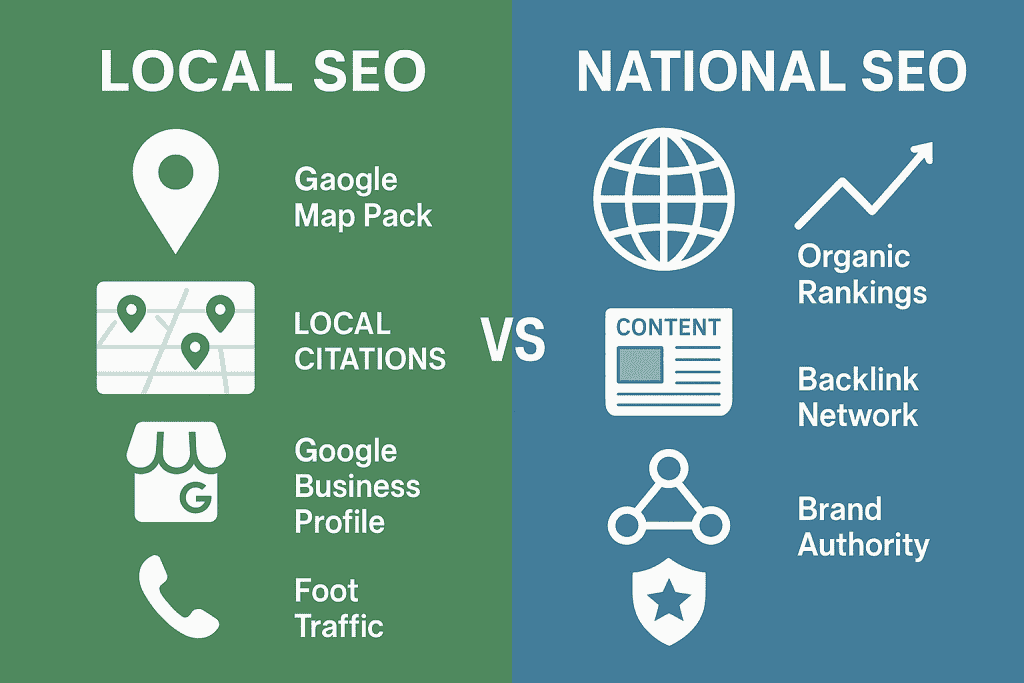
Realistic Monthly SEO Budgets for Small Businesses:
| Budget Tier | Monthly Investment | What’s Included | Best For |
|---|---|---|---|
| Micro Budget | $500-$1,500/mo | Basic audit, limited content (1-2 articles/month), minimal link building, basic reporting | Very small businesses, startups testing SEO, extremely low-competition markets |
| Small Business | $1,500-$3,000/mo | Comprehensive audit, 2-4 optimized articles/month, local SEO (GBP optimization, citations), monthly reporting | Local service businesses, small e-commerce stores, professional services |
| Growing Business | $3,000-$5,000/mo | Full strategy, 4-8 articles/month, active link building, advanced reporting, technical SEO | Established businesses in competitive markets, multi-location businesses |
| Established Business | $5,000-$15,000+/mo | Enterprise strategy, high-volume content, aggressive link building, dedicated team, advanced analytics | National brands, large e-commerce sites, highly competitive industries |
What Drives Cost?
- Market Competitiveness: Ranking for “personal injury lawyer Los Angeles” requires 10x the effort of “boutique bakery Flagstaff”
- Current Website Status: A brand-new site with zero authority requires more foundational work than an established site
- Content Volume: More content = higher cost, but also faster results and broader keyword coverage
- Link Building: Quality backlinks are expensive and time-consuming to acquire ethically
- Technical Complexity: Large e-commerce sites with thousands of pages require more technical SEO work
The ROI Equation: SEO is a long-term investment. Most businesses should expect to commit to at least 6-12 months before seeing significant results. However, once momentum builds, the ROI compounds dramatically. A $3,000/month investment that generates $15,000-$30,000 in new monthly revenue is a 5-10x return—far superior to most paid advertising channels.
Red Flag: Be extremely wary of agencies offering “cheap SEO” for under $500/month. They’re likely using automated tools, producing low-quality content, or employing black-hat tactics that will get your site penalized. The short-term savings will cost you exponentially more in the long run.
Phoenix SEO Geek’s Value Proposition: For Phoenix-area businesses, Phoenix SEO Geek offers transparent pricing and a proven ROI calculator tailored to your specific business and location. Their Omni Protocol delivers results that justify the investment: when clients see 300 new calls per month and revenue growth from 5-6 figures to 7 figures, the ROI becomes undeniable. Request a free consultation to see what success should look like for your budget.
Part 3: The Vetting Process – 5-Step Framework
Now that you understand your business type, goals, and budget, it’s time to find your SEO partner. This isn’t a decision to rush. The wrong choice will cost you months of lost opportunity and tens of thousands of wasted dollars. The right choice will transform your business.
Here’s the exact 5-step framework to vet agencies like a pro.
Step 1: Create a Shortlist (3-5 Agencies)
Start by identifying 3-5 agencies that specialize in your type of business and market. Don’t cast a wide net—focus on agencies with proven experience in your specific niche.
Where to Find Candidates:
- Google Search: Search for “SEO agency [your city]” or “SEO for [your industry]” and see who ranks well (if they can’t rank themselves, they can’t rank you)
- Industry Referrals: Ask other business owners in your network for recommendations
- Case Studies: Look for agencies that publish detailed case studies with real numbers and client names
- Reviews: Check Google Reviews, Clutch, and industry-specific review platforms
Initial Screening Criteria:
- Do they specialize in Local SEO or National SEO (matching your needs)?
- Do they have case studies or testimonials from businesses like yours?
- Do they rank well for their own target keywords?
- Do they have a clear, documented methodology?
- Do they offer transparent pricing (or at least pricing ranges)?
For Phoenix-Area Businesses: If you’re a local business in the Phoenix metropolitan area, Phoenix SEO Geek should be on your shortlist. With 20 years of exclusive focus on the Phoenix market, they understand the unique challenges of the region’s sprawling geography and hyper-competitive landscape. Their Omni Protocol is specifically designed to solve the “authority problem” that keeps most Phoenix businesses invisible beyond a few blocks from their physical location.
Step 2: Conduct In-Depth Due Diligence
Once you have your shortlist, it’s time to dig deeper. Don’t just rely on what agencies tell you—verify their claims.
Research Checklist:
- Review Their Own SEO: Check their keyword rankings, backlink profile (use Ahrefs or SEMrush), and content quality. If they’re not ranking well themselves, that’s a major red flag.
- Analyze Case Studies: Look for specific metrics (traffic increase, revenue growth, keyword rankings), timelines (how long did results take?), and verifiable client names (can you contact them?).
- Check Reviews and Reputation: Read Google Reviews, Clutch reviews, and Better Business Bureau ratings. Look for patterns in complaints or praise.
- Verify Credentials: Are they Google Partners? Do they have industry certifications? Have they been featured in reputable publications?
- Assess Their Content: Read their blog posts and resources. Is the content high-quality, detailed, and up-to-date? Or is it thin, generic, and outdated?
Phoenix SEO Geek’s Credentials: Phoenix SEO Geek has been featured in major publications including Medium, Star Tribune, International Business Times, FOX News, The Charlotte Observer, Wall Street Select, and The Miami Herald. Their Omni Protocol has been refined over 20 years and is documented as a 203-step process—not vague promises, but a proven system.
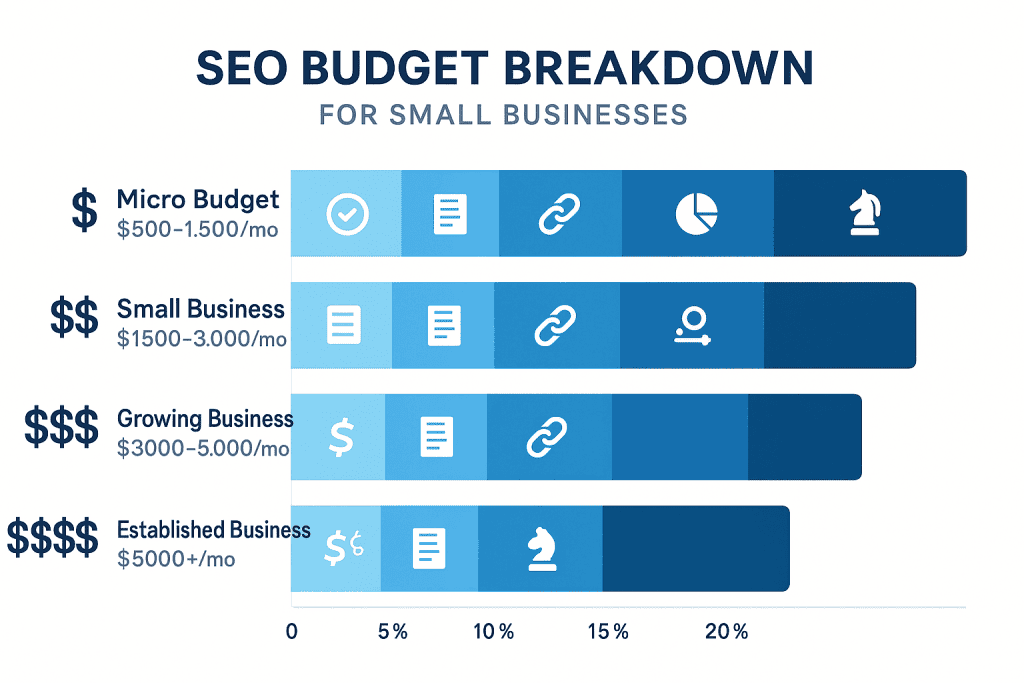
Step 3: Initial Consultation & Key Questions
The initial consultation is your opportunity to assess whether an agency truly understands your business and has a strategic approach—or if they’re just trying to sell you a commodity service.
What to Expect in a Quality Consultation:
- They ask YOU questions about your business, goals, and challenges (not just pitch their services)
- They conduct a preliminary audit of your website and identify specific issues
- They explain their methodology in detail (not just generic “we do SEO”)
- They provide realistic timelines and expectations (not promises of instant results)
- They discuss pricing transparently (not vague “it depends”)
Q5: What are the most important questions to ask an SEO agency during the consultation?
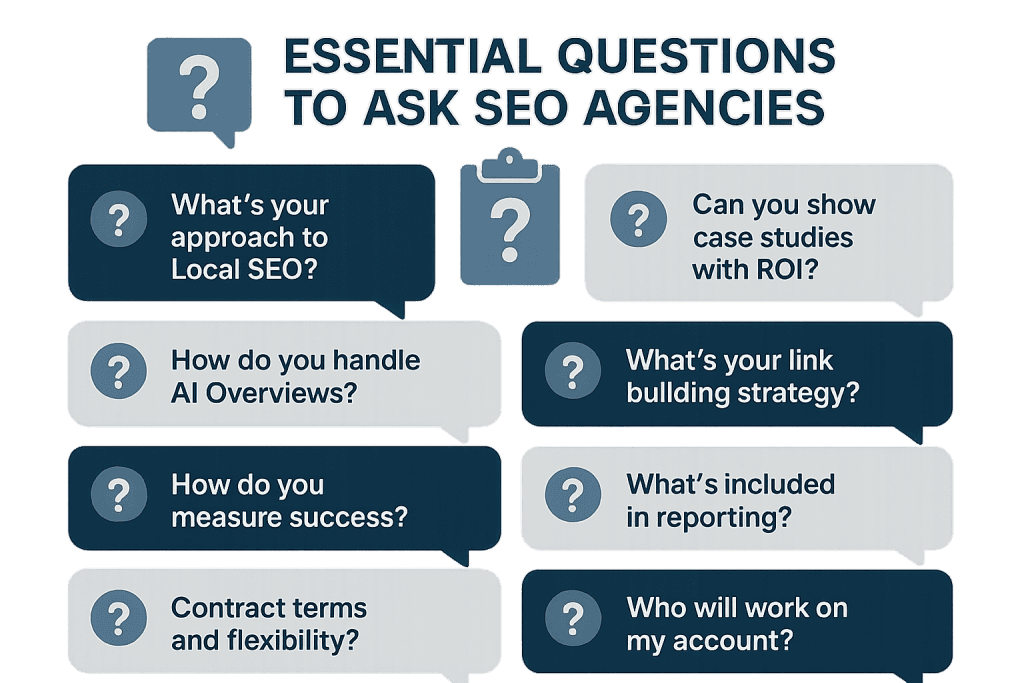
The questions you ask during your initial consultation will reveal whether an agency is truly strategic or just selling a commodity service. Here are the 8 most critical questions:
1. “What is your approach to Local SEO [or National SEO]?”
What you’re listening for: Specific tactics, not generic answers. A quality agency will explain their exact process for Google Business Profile optimization, citation building, local link acquisition, and neighborhood-specific content (for local SEO) or content strategy, authoritative link building, and technical SEO (for national SEO).
Red flag: Vague answers like “We optimize your website” or “We do keyword research.”
Phoenix SEO Geek’s Answer: “We use our proprietary Omni Protocol—a 203-step process developed over 20 years specifically for the Phoenix market. It provides ‘local place authority’ that allows your business to appear across the entire metropolitan area, not just near your physical address. This solves the #1 problem Phoenix businesses face: limited visibility beyond a few blocks from their location.”
2. “Can you show me case studies with measurable ROI?”
What you’re listening for: Specific numbers, timelines, and business outcomes. “We increased organic traffic by 150% in 6 months and generated 80 new leads per month” is a real answer. “We helped many clients succeed” is not.
Red flag: Refusal to share case studies, vague success stories, or only showing vanity metrics (traffic, impressions).
Phoenix SEO Geek’s Answer: “Our Phoenix clients using the Omni Protocol see up to 300 new calls per month and revenue growth from 5-6 figures to 7 figures in less than a year. We provide a customized ROI calculator for your specific business and location so you know exactly what success should look like.”
3. “How do you handle AI Overviews and zero-click searches?”
What you’re listening for: Understanding of 2025 SEO realities. They should explain how they optimize for featured snippets, structure content for AI consumption, and target “Position Zero” opportunities.
Red flag: Confusion about AI Overviews or dismissing them as unimportant.
4. “What is your link building strategy?”
What you’re listening for: White-hat methods like guest posting on authoritative sites, digital PR, broken link building, and relationship-based outreach. They should be able to show examples of the types of sites they’ve secured links from.
Red flag: Buying links, PBNs (Private Blog Networks), spammy directory submissions, or vague answers about “proprietary methods.”
5. “How do you measure success?”
What you’re listening for: Focus on business KPIs (leads, revenue, conversions) not just vanity metrics (traffic, impressions, rankings).
Red flag: Only talking about traffic and rankings without connecting them to business outcomes.
6. “What’s included in your monthly reporting?”
What you’re listening for: Transparent, detailed reports that show keyword rankings, traffic sources, conversion data, and business impact. They should explain reports in plain English, not hide behind jargon.
Red flag: Vague reports, refusal to share sample reports, or reports that only show vanity metrics.
Phoenix SEO Geek’s Answer: “We provide weekly search engine rank reports and monthly website traffic reports that clearly show how many calls, leads, and dollars your SEO investment generates. No jargon, no hiding—just transparent data you can use to make decisions.”
7. “What are your contract terms and flexibility?”
What you’re listening for: Reasonable terms (typically 6-12 months with option to cancel with 30-60 days notice). They should be confident enough in their work to offer flexibility.
Red flag: Long-term contracts (12+ months) with no performance guarantees or automatic renewal clauses.
8. “Who will actually work on my account?”
What you’re listening for: Clear explanation of team structure. Will you work with the person you’re talking to, or will your account be handed off to a junior team member?
Red flag: Bait-and-switch where you’re sold by an expert but serviced by inexperienced staff.
Pro Tip: Pay attention not just to their answers, but to how they answer. Do they listen to your questions or just launch into a sales pitch? Do they provide specific, detailed responses or vague generalities? Do they seem genuinely interested in your business or just trying to close a sale?
Step 4: Identify Red Flags vs. Green Flags
As you evaluate agencies, certain warning signs should immediately disqualify them from consideration. Conversely, positive signals indicate you’ve found a potential strategic partner.
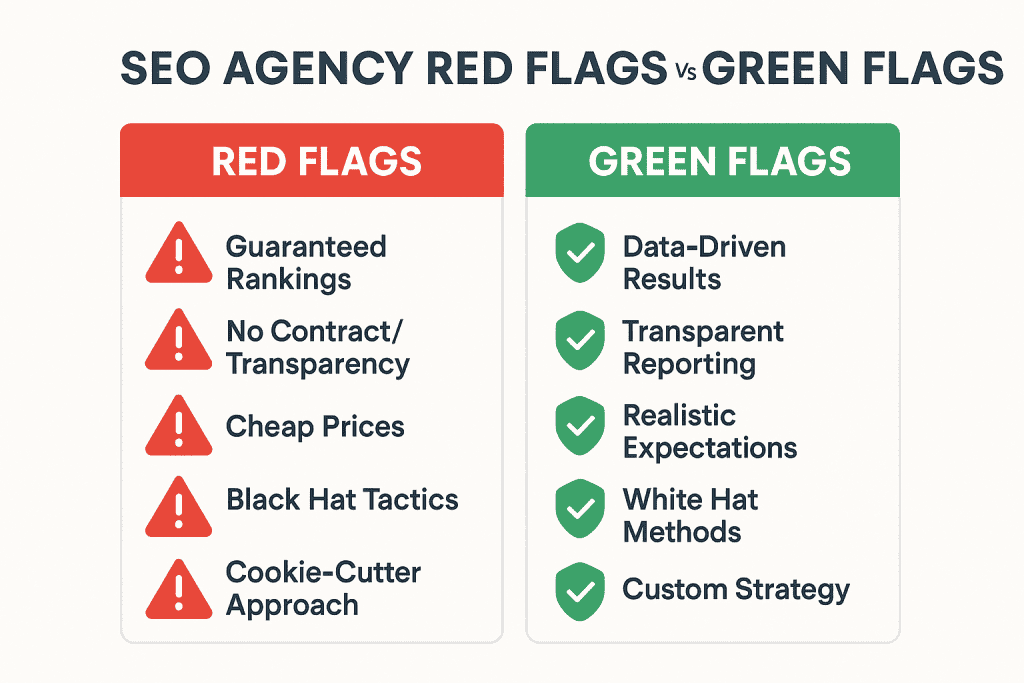
Q6: What are the biggest red flags when choosing an SEO agency?
Certain warning signs should immediately disqualify an agency from consideration. Here are the most critical red flags:
Red Flag #1: Guaranteed Rankings
The Claim: “We guarantee first page rankings” or “We’ll get you to #1 on Google.”
Why It’s a Red Flag: No one can guarantee rankings. Google’s algorithm is constantly changing and rankings depend on hundreds of factors, many outside any agency’s control. Any agency making this promise is either lying or using black-hat tactics that will get you penalized.
What to Do: Walk away immediately. A reputable agency will provide realistic expectations based on data, not impossible guarantees.
Red Flag #2: No Contract/Transparency
The Claim: Vague terms, no written contract, unclear deliverables, or refusal to put promises in writing.
Why It’s a Red Flag: Lack of transparency indicates they’re hiding something or don’t have a real process. Without a clear contract, you have no recourse if they fail to deliver.
What to Do: Demand a detailed contract with specific deliverables, timelines, and performance expectations. If they won’t provide one, move on.
Red Flag #3: Suspiciously Cheap Prices
The Claim: “Full SEO service for $299/month” or other rock-bottom prices.
Why It’s a Red Flag: Quality SEO requires expertise, time, and consistent effort. Rock-bottom prices mean they’re using automated tools, outsourcing to low-quality content mills, or cutting corners with black-hat tactics.
What to Do: Remember: you get what you pay for. Invest in quality or don’t invest at all.
Red Flag #4: Black Hat Tactics
The Claim: Buying links, keyword stuffing, cloaking, hidden text, PBNs (Private Blog Networks), or other manipulative tactics.
Why It’s a Red Flag: These tactics violate Google’s guidelines and can get your site penalized or even de-indexed. Recovery can take 6-12 months and cost tens of thousands of dollars.
What to Do: Ask explicitly about their link building methods and content practices. If anything sounds shady, it probably is.
Red Flag #5: Cookie-Cutter Approach
The Claim: “We use the same proven process for all our clients.”
Why It’s a Red Flag: Every business is unique. A pizza restaurant in Phoenix needs a completely different strategy than a SaaS company in San Francisco. Generic, one-size-fits-all approaches don’t deliver customized results.
What to Do: Ensure the agency takes time to understand your specific business, market, and goals before proposing a strategy.
Red Flag #6: Lack of Reporting/Communication
The Claim: Infrequent updates, vague reports, or difficulty getting in touch with your account manager.
Why It’s a Red Flag: SEO is a long-term investment. You need regular updates and clear communication to understand what’s being done and what results you’re getting.
What to Do: Establish clear communication expectations upfront (weekly or monthly check-ins, detailed reports, responsive account management).
Red Flag #7: Outdated Knowledge
The Claim: They don’t mention AI Overviews, E-E-A-T, Core Web Vitals, or other 2025 SEO realities.
Why It’s a Red Flag: SEO evolves constantly. An agency stuck in 2015 tactics won’t deliver 2025 results.
What to Do: Ask about their approach to modern SEO challenges. If they can’t speak intelligently about current trends, they’re not keeping up.
Q7: What are the green flags that indicate a world-class SEO agency?
Just as important as recognizing red flags is identifying the positive signals that indicate you’ve found a true strategic partner. Look for these green flags:
Green Flag #1: Data-Driven Results
What to Look For: They show you real case studies with specific metrics (traffic increase, lead generation, revenue growth), timelines (how long results took), and ROI calculations.
Why It Matters: Anyone can claim success. Agencies confident in their work back it up with data.
Phoenix SEO Geek Example: Phoenix SEO Geek provides specific, verifiable results: up to 300 new calls per month for clients and revenue growth from 5-6 figures to 7 figures in less than a year. They also offer a customized ROI calculator for your business and location.
Green Flag #2: Transparent Reporting
What to Look For: Clear, detailed monthly reports that explain what was done, why it was done, and what results were achieved. Reports should be understandable without a PhD in SEO.
Why It Matters: Transparency builds trust and allows you to make informed decisions about your investment.
Green Flag #3: Realistic Expectations
What to Look For: They’re honest about timelines (typically 6-12 months for significant results) and don’t overpromise. They explain that SEO is a long-term investment, not a quick fix.
Why It Matters: Honesty indicates integrity. Agencies that overpromise will underdeliver.
Green Flag #4: White Hat Methods
What to Look For: They explicitly commit to ethical, Google-approved tactics. They can explain their link building process, content creation standards, and technical optimization methods in detail.
Why It Matters: White hat SEO builds sustainable, long-term results. Black hat tactics create short-term gains followed by devastating penalties.
Green Flag #5: Custom Strategy
What to Look For: They take time to understand your unique business, goals, competitive landscape, and target audience before proposing a solution. Their strategy is tailored to YOU, not a generic template.
Why It Matters: Cookie-cutter approaches don’t work. Your business is unique and deserves a custom strategy.
Phoenix SEO Geek Example: The Omni Protocol isn’t a generic checklist—it’s a 203-step process specifically designed for the Phoenix market’s unique challenges. It solves the “authority problem” that generic strategies can’t address.
Green Flag #6: AI-Ready Expertise
What to Look For: They demonstrate knowledge of modern SEO including AI Overviews, featured snippets, E-E-A-T, Core Web Vitals, and zero-click optimization.
Why It Matters: SEO in 2025 is fundamentally different from 2020. You need an agency that’s ahead of the curve, not stuck in the past.
Green Flag #7: Strong Communication
What to Look For: They’re responsive, clear, and proactive in their communication. You feel heard and understood, not just sold to.
Why It Matters: SEO is a partnership. You need an agency that communicates effectively and keeps you informed.
Green Flag #8: Proven Track Record
What to Look For: They have verifiable success stories, positive reviews from real clients, and industry recognition (awards, media features, certifications).
Why It Matters: Past performance is the best predictor of future results.
Phoenix SEO Geek Example: With 20 years of experience exclusively in the Phoenix market, Phoenix SEO Geek has been featured in major publications including Medium, Star Tribune, International Business Times, FOX News, and The Miami Herald. Their track record speaks for itself.
Step 5: Review the Proposal and Contract
You’ve done your research, asked the right questions, and identified a potential partner. Now it’s time to review their proposal and contract with a critical eye.
Q8: What should I look for in an SEO agency contract?
The contract is where promises become commitments. A good SEO contract should include the following elements:
1. Specific Deliverables
What to Look For: Exactly what will be done each month. For example: “4 optimized blog posts (1,500+ words each),” “10 local citations,” “monthly technical audit,” “Google Business Profile optimization.”
Why It Matters: Vague promises like “SEO services” give you no recourse if they underdeliver. Specific deliverables create accountability.
2. Clear Timeline
What to Look For: When work will be completed and when you can expect to see results. For example: “Initial audit within 2 weeks, first content published within 4 weeks, measurable traffic increase within 8-12 weeks.”
Why It Matters: Timelines set expectations and allow you to hold the agency accountable.
3. Reporting Schedule
What to Look For: How often you’ll receive reports (weekly, monthly) and what they’ll include (keyword rankings, traffic data, conversion metrics, business impact).
Why It Matters: Regular reporting keeps you informed and allows you to track ROI.
4. Performance Metrics
What to Look For: What KPIs will be tracked and how success will be measured. Focus on business outcomes (leads, revenue, conversions) not just vanity metrics (traffic, impressions).
Why It Matters: You need to know what success looks like and how it will be measured.
5. Contract Length
What to Look For: Duration of the agreement (ideally 6-12 months with option to cancel with 30-60 days notice). Avoid contracts that lock you in for 12+ months with no flexibility.
Why It Matters: SEO requires time, but you should have the flexibility to end the relationship if the agency isn’t delivering results.
6. Pricing Structure
What to Look For: Clear breakdown of monthly retainer, one-time setup fees, and what’s included vs. what costs extra. No hidden fees or surprise charges.
Why It Matters: Transparency in pricing builds trust and allows you to budget accurately.
7. Ownership
What to Look For: Clarification that YOU own all content created, links acquired, and other assets. If you end the relationship, you keep everything.
Why It Matters: Some agencies hold your content or links hostage if you cancel. Ensure you own everything from day one.
8. Termination Clause
What to Look For: Clear terms for how either party can end the relationship. Typically 30-60 days written notice.
Why It Matters: You should have an exit strategy if the agency isn’t delivering results.
9. Confidentiality
What to Look For: Protection of your business information, data, and proprietary strategies.
Why It Matters: Your business information should be kept confidential.
Red Flags in Contracts:
- Long-term lock-in (12+ months) with no performance guarantees
- Automatic renewal clauses that make it difficult to cancel
- Vague deliverables (“SEO services” without specifics)
- No ownership clause (agency retains rights to content and links)
- Hidden fees or unclear pricing
Pro Tip: Don’t be afraid to negotiate. A good agency will work with you to create terms that are fair for both parties. If they’re inflexible or pushy, that’s a red flag.
Ready to Find Your SEO Partner?
For Phoenix-area businesses, Phoenix SEO Geek offers a free SEO audit and customized ROI calculator. See exactly what success should look like for your business and budget.
Part 4: The Blueprint for Dominance
You now understand how to vet agencies and avoid common pitfalls. But what does a truly world-class SEO agency look like? What separates the strategic partners from the commodity vendors?
Here are the four pillars that define excellence in small business SEO marketing.
Pillar 1: Masters of Local SEO (For Location-Based Businesses)
If you’re a local business, your agency must be a master of local SEO—not just competent, but exceptional. Here’s what that looks like:
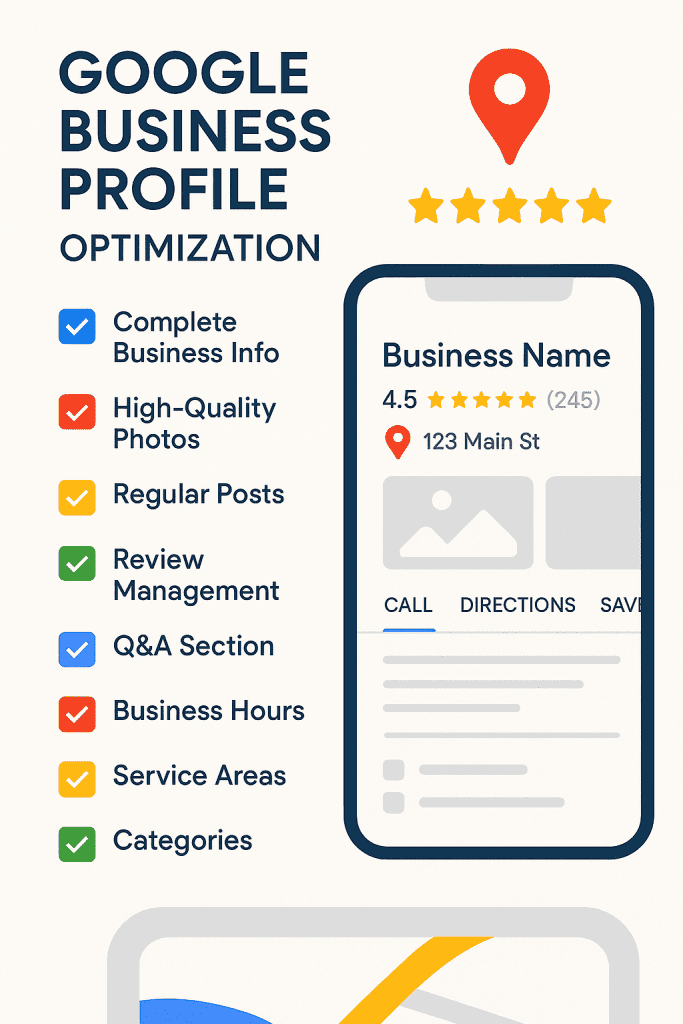
Google Business Profile Optimization: Your GBP is the single most important asset for local visibility. A world-class agency will optimize every element: business name, categories, description, attributes, photos, posts, Q&A, and reviews. They’ll ensure your profile is fully optimized and actively managed.
Citation Building & NAP Consistency: Your business name, address, and phone number (NAP) must be consistent across hundreds of online directories. Inconsistencies confuse Google and hurt rankings. A quality agency will build and maintain citations across all major directories and industry-specific platforms.
Review Generation & Management: Reviews are a critical ranking factor and trust signal. Your agency should have a systematic process for generating positive reviews, responding to all reviews (positive and negative), and showcasing reviews on your website.
Local Link Building: Links from local websites (chambers of commerce, local news sites, community organizations) carry extra weight for local rankings. Your agency should actively pursue these opportunities.
Location-Specific Content: Creating content tailored to specific neighborhoods, cities, and ZIP codes helps you rank for hyper-local searches. This is especially important in sprawling metro areas.
Phoenix SEO Geek’s Local SEO Mastery: For Phoenix-area businesses, Phoenix SEO Geek‘s Omni Protocol is specifically designed to solve the biggest challenge in Phoenix local SEO: appearing across the entire metropolitan area instead of just near your physical address. With 20 years of exclusive focus on the Phoenix market, they understand the unique dynamics of the region’s 25+ distinct cities and neighborhoods. This isn’t generic local SEO—it’s Phoenix-specific expertise that delivers up to 300 new calls per month.
Pillar 2: Future-Proof and AI-Ready
SEO in 2025 is fundamentally different from SEO in 2020. Your agency must be ahead of the curve, not stuck in the past. Here’s what AI-ready SEO looks like:
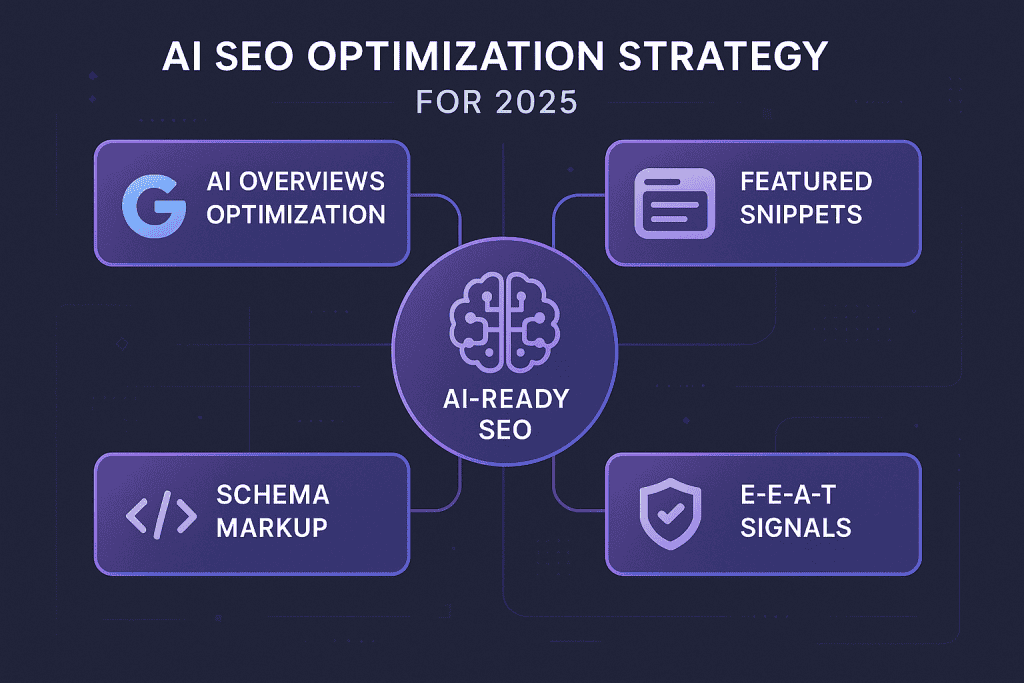
AI Overview Optimization: Google’s AI Overviews now appear in the majority of search results. Your content must be structured to appear in these AI-generated summaries. This requires specific formatting, clear answers to questions, and authoritative sources.
Featured Snippet Targeting: Featured snippets (Position Zero) appear above traditional organic results and are often pulled into AI Overviews. Your agency should identify snippet opportunities and structure content to capture them.
E-E-A-T Signals: Google prioritizes content that demonstrates Experience, Expertise, Authoritativeness, and Trustworthiness. Your agency should build these signals through author bios, credentials, citations, and authoritative backlinks.
Semantic Search & Topic Clusters: Modern SEO isn’t about individual keywords—it’s about comprehensive topic coverage. Your agency should create topic clusters that demonstrate deep expertise in your industry.
Core Web Vitals & Technical Excellence: Page speed, mobile-friendliness, and user experience are ranking factors. Your agency should ensure your site meets Google’s Core Web Vitals standards.
Pillar 3: Data-Driven and ROI-Focused
A world-class agency doesn’t just do SEO—they prove it’s working. Here’s what data-driven SEO looks like:
Business KPIs, Not Vanity Metrics: Your agency should track and report on metrics that matter: leads generated, revenue from organic search, cost per acquisition, and customer lifetime value—not just traffic and impressions.
Transparent Reporting: Monthly reports should be clear, detailed, and understandable. You should know exactly what was done, what results were achieved, and what’s planned for next month.
ROI Tracking: Your agency should be able to show you the return on your SEO investment. If you’re spending $3,000/month, how much revenue is that generating? A quality agency will track and report this.
Continuous Optimization: Data should drive decisions. Your agency should constantly analyze performance, identify opportunities, and adjust strategy based on what’s working and what’s not.
Phoenix SEO Geek’s Data-Driven Approach: Phoenix SEO Geek provides weekly search engine rank reports and monthly website traffic reports that clearly show how many calls, leads, and dollars your SEO investment generates. They also offer a customized ROI calculator for your specific business and location, so you know exactly what success should look like. No jargon, no hiding—just transparent data you can use to make decisions.
Pillar 4: Full-Service, Integrated Approach
SEO doesn’t exist in a vacuum. The most effective agencies integrate SEO with other digital marketing channels to maximize results. Here’s what a full-service approach looks like:
Website Design & Development: Your website is the foundation of your SEO. An integrated agency can ensure your site is built for both user experience and search engine visibility from the ground up.
Content Marketing: SEO and content marketing are inseparable. Your agency should have a content strategy that goes beyond blog posts—including videos, infographics, case studies, and more.
Social Media Integration: While social signals aren’t direct ranking factors, social media drives traffic, builds brand awareness, and creates opportunities for link building. An integrated approach amplifies results.
PPC & Paid Advertising: SEO and PPC work best together. PPC provides immediate visibility while SEO builds long-term assets. An agency that offers both can create a cohesive strategy.
Conversion Optimization: Driving traffic is pointless if visitors don’t convert. Your agency should optimize your site for conversions—not just rankings.
Phoenix SEO Geek’s Full-Service Advantage: Phoenix SEO Geek offers a complete digital marketing ecosystem including SEO, website design, social media marketing, PPC advertising, video marketing, and conversion optimization. This integrated approach ensures every element works together to maximize your ROI, rather than siloed tactics that work against each other. When everything is aligned under one strategy, results compound exponentially.
Part 5: Measuring Success – The SEO KPIs That Matter
You’ve chosen your agency and they’ve started work. Now comes the critical question: How do you know if it’s working?
Too many business owners get dazzled by impressive-sounding numbers that don’t actually drive business growth. Let’s cut through the noise and focus on the metrics that truly matter.
Moving Beyond Vanity Metrics
As we discussed earlier, vanity metrics look good in reports but don’t correlate to revenue. Here’s what to ignore:
- Total Impressions: How many times your site appeared in search results (doesn’t mean anyone clicked)
- Total Traffic: Raw visitor numbers without context about quality or conversion
- Keyword Rankings: Positions for keywords that don’t drive business results
- Social Media Followers: Large audiences that don’t engage or convert
These metrics can provide context, but they should NEVER be the primary measure of success.
The KPIs That Matter in 2025
Here are the metrics that directly impact your bottom line:
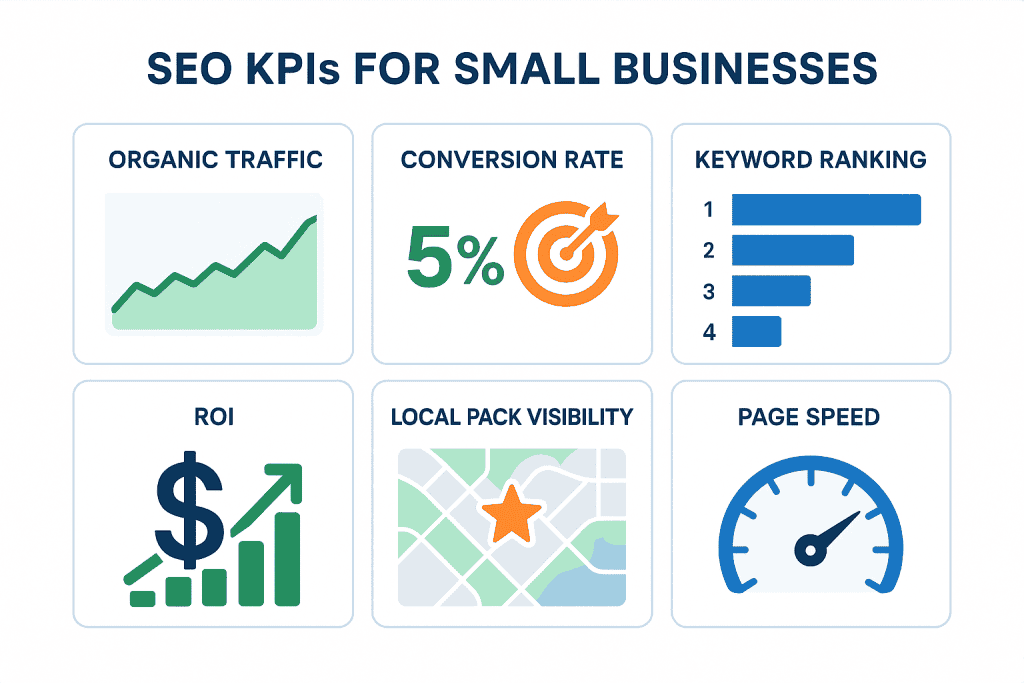
| KPI | What It Measures | Why It Matters | Target/Benchmark |
|---|---|---|---|
| Qualified Leads Generated | Number of contact form submissions, phone calls, or demo requests from organic search | This is the most direct measure of SEO’s business impact | 20-30% increase within 12 weeks; 50-100% increase within 6 months |
| Revenue from Organic Search | Dollar value of customers acquired through SEO | The ultimate measure of ROI | 5-10x ROI over 12-24 months |
| Conversion Rate | Percentage of organic visitors who take a desired action | Measures quality of traffic and effectiveness of website | 2-5% for B2B; 3-8% for e-commerce; 5-15% for local services |
| Cost Per Acquisition (CPA) | How much it costs to acquire a customer through SEO | Allows comparison to other marketing channels | Should be 50-70% lower than paid advertising CPA |
| Customer Lifetime Value (CLV) | Long-term value of customers acquired through organic search | SEO often attracts higher-quality customers with better retention | Typically 20-30% higher CLV than paid advertising customers |
| Organic Traffic to High-Intent Pages | Traffic to pages that drive conversions (service pages, product pages, contact pages) | Not all traffic is equal; high-intent traffic converts | 30-50% increase within 12 weeks |
| Local Pack Visibility | Appearance in Google’s Map 3-Pack for target keywords | Local Pack drives 40-60% of local search clicks | Appear in Local Pack for 50-70% of target keywords within 6 months |
| Featured Snippet Captures | Number of featured snippets (Position Zero) your content appears in | Featured snippets increase visibility by 50-100% and feed AI Overviews | 5-10 featured snippets within 6 months |
| Domain Authority Growth | Overall strength and authority of your website | Higher authority = easier to rank for competitive terms | 5-10 point increase within 12 months |
| Page Speed & Core Web Vitals | Technical performance of your website | Ranking factor and user experience driver | All pages should pass Core Web Vitals within 3 months |
What to Expect in a World-Class Report
Your monthly SEO report should include:
1. Executive Summary: High-level overview of performance, key wins, and areas for improvement (in plain English, not jargon)
2. Business Impact Metrics: Leads generated, revenue from organic search, conversion rates, and ROI calculations
3. Traffic Analysis: Organic traffic trends, traffic to high-intent pages, and traffic quality indicators
4. Ranking Performance: Keyword rankings for your most valuable terms, with context about search volume and business impact
5. Local SEO Performance (if applicable): Google Business Profile insights, Local Pack visibility, review metrics, and citation status
6. Content Performance: Which content is driving traffic and conversions, and opportunities for optimization
7. Technical Health: Site speed, Core Web Vitals, crawl errors, and other technical issues
8. Backlink Profile: New links acquired, link quality metrics, and competitive comparison
9. Work Completed: Detailed breakdown of what was done during the month (content published, links built, technical fixes, etc.)
10. Next Month’s Plan: What will be done in the coming month and why
Pro Tip: Your report should be understandable without a PhD in SEO. If you can’t understand what your agency is doing or what results you’re getting, demand clearer communication.
Phoenix SEO Geek’s Reporting Excellence: Phoenix SEO Geek provides weekly search engine rank reports and monthly website traffic reports that focus on what matters: calls, leads, and revenue. Their transparent reporting shows exactly how many new customers your SEO investment generates each month—no jargon, no hiding, just clear data you can use to make decisions.
Part 6: Frequently Asked Questions
How long does SEO take to show results?
The honest answer: 6-12 months for significant results. Anyone promising faster results is either lying or using black-hat tactics that will get you penalized.
Here’s a realistic timeline:
- Weeks 1-4: Initial audit, strategy development, and foundational work (technical fixes, content planning)
- Weeks 4-12: Content publication begins, initial optimization, early ranking improvements for low-competition keywords
- Weeks 12-24: Momentum builds, rankings improve for competitive keywords, traffic increases 20-30%
- Months 6-12: Significant results, traffic increases 50-100%, leads and revenue grow substantially
- 12+ Months: Compounding returns, market dominance, sustainable competitive advantage
SEO is a long-term investment, but once momentum builds, the ROI compounds exponentially.
Can I do SEO myself or should I hire an agency?
You can do SEO yourself, but the question is: Should you?
DIY SEO makes sense if:
- You have the time to learn and implement (10-20 hours per week)
- Your market has low competition
- You’re in the early stages of business and have more time than money
- You enjoy learning technical and creative skills
Hiring an agency makes sense if:
- Your time is better spent running your business
- You’re in a competitive market where expertise matters
- You want faster results and higher ROI
- You need a comprehensive strategy across multiple channels
The reality: Most business owners who try DIY SEO waste months spinning their wheels because they don’t know what they don’t know. A quality agency pays for itself through faster results and higher ROI.
What’s the difference between SEO and PPC (paid ads)?
Both drive traffic from search engines, but they work very differently:
| Factor | SEO (Organic) | PPC (Paid Ads) |
|---|---|---|
| Cost Model | Monthly retainer for ongoing optimization | Pay per click (cost varies by keyword competitiveness) |
| Timeline | 6-12 months for significant results | Immediate visibility (as soon as ads go live) |
| Sustainability | Builds long-term asset; traffic continues even if you stop paying | Traffic stops immediately when you stop paying |
| ROI | 5-10x over 12-24 months (compounds over time) | 3-5x (consistent but doesn’t compound) |
| Trust | Higher trust (users trust organic results more) | Lower trust (users know they’re ads) |
| Click-Through Rate | Higher (top 3 organic results get 50%+ of clicks) | Lower (ads get 10-20% of clicks) |
The Best Strategy: Use both. PPC provides immediate visibility while SEO builds long-term assets. An integrated approach maximizes results.
How do I know if my current SEO agency is doing a good job?
Here are the signs your agency is delivering value:
Positive Signs:
- Organic traffic is increasing month-over-month
- You’re generating more leads from organic search
- You’re ranking higher for your most valuable keywords
- Your Google Business Profile (if local) is getting more views and actions
- You’re receiving clear, detailed monthly reports
- Your agency is proactive in communication
- You understand what they’re doing and why
Warning Signs:
- No measurable increase in leads or revenue after 6+ months
- Vague or confusing reports that focus on vanity metrics
- Difficulty getting in touch with your account manager
- No clear explanation of what they’re doing each month
- Rankings are stagnant or declining
- They’re not adapting strategy based on results
If you’re seeing warning signs, it’s time to have a frank conversation with your agency—or start looking for a new partner.
What should I do if my website was penalized by Google?
First, don’t panic. Google penalties are serious, but they’re recoverable. Here’s what to do:
Step 1: Identify the Type of Penalty
- Manual Penalty: You’ll receive a notification in Google Search Console. These are issued by human reviewers for violations of Google’s guidelines.
- Algorithmic Penalty: No notification; your rankings suddenly drop after a Google algorithm update.
Step 2: Identify the Cause
- Unnatural links (bought links, spammy backlinks)
- Thin or duplicate content
- Keyword stuffing or other on-page manipulation
- Cloaking or hidden text
- User-generated spam
Step 3: Fix the Issues
- Remove or disavow bad backlinks
- Improve or remove thin content
- Fix on-page over-optimization
- Remove any manipulative tactics
Step 4: Submit a Reconsideration Request (for manual penalties)
Explain what you did wrong, what you’ve done to fix it, and commit to following Google’s guidelines going forward.
Step 5: Be Patient
Recovery from a penalty can take 3-6 months for algorithmic penalties and 1-3 months for manual penalties after reconsideration.
Prevention: The best approach is to never get penalized in the first place. Work only with agencies that use white-hat tactics and follow Google’s guidelines.
Should I focus on SEO or social media marketing?
This is a false choice. The best strategy incorporates both, but they serve different purposes:
SEO is best for:
- Capturing high-intent customers actively searching for your solution
- Building long-term, sustainable traffic
- Generating qualified leads with strong purchase intent
- Establishing authority and credibility
Social Media is best for:
- Building brand awareness and community
- Engaging with customers and prospects
- Showcasing your brand personality
- Driving traffic to your website (which supports SEO)
The Reality: For most small businesses, SEO should be the priority because it drives higher-intent traffic and better ROI. But social media complements SEO by building brand awareness and creating opportunities for link building and content promotion.
An integrated approach where SEO and social media work together delivers the best results.
Conclusion: Your Path to SEO Success Starts Now
Choosing the right small business SEO marketing agency is one of the most important decisions you’ll make for your company’s digital future. The wrong choice wastes money, time, and opportunity. The right choice transforms your business by generating a steady stream of high-intent customers who are actively searching for your products or services.
Let’s recap the key takeaways from this guide:
1. Understand Your Business Type and Goals. Are you a local business that needs Local SEO or a national business that needs National SEO? Define your specific goals (foot traffic, phone calls, online sales) before you start your search.
2. Set a Realistic Budget. Quality SEO for small businesses typically costs $1,500-$5,000 per month. Beware of agencies offering “cheap SEO” for under $500/month—they’re using shortcuts that will hurt you in the long run.
3. Follow the 5-Step Vetting Framework. Create a shortlist, conduct due diligence, ask the right questions during consultations, identify red flags vs. green flags, and carefully review contracts before signing.
4. Avoid Red Flags. Walk away from agencies that guarantee rankings, use black-hat tactics, offer suspiciously cheap prices, or lack transparency. These are warning signs of poor quality or unethical practices.
5. Look for Green Flags. Seek agencies that provide data-driven results, transparent reporting, realistic expectations, white-hat methods, custom strategies, AI-ready expertise, and strong communication.
6. Demand Business KPIs, Not Vanity Metrics. Focus on metrics that matter: qualified leads generated, revenue from organic search, conversion rates, and ROI—not just traffic and impressions.
7. Be Patient but Expect Results. SEO takes 6-12 months for significant results, but you should see early progress within 8-12 weeks. If you’re not seeing any improvement after 6 months, it’s time to reevaluate your agency.
8. Choose an AI-Ready Partner. In 2025, SEO isn’t just about rankings—it’s about appearing in AI Overviews, featured snippets, and zero-click searches. Your agency must understand and optimize for these new realities.
For Phoenix-Area Businesses: Your Strategic SEO Partner Awaits
If you’re a small business in the Phoenix metropolitan area, you face unique challenges that generic SEO strategies can’t solve. Phoenix’s sprawling geography, seasonal economic patterns, and hyper-competitive landscape demand a specialized approach.
Phoenix SEO Geek has spent 20 years mastering these challenges with their proprietary Omni Protocol—a 203-step process that provides “local place authority” across the entire metro area, not just near your physical address.
The Results Speak for Themselves:
- Up to 300 new calls per month for local businesses
- Revenue growth from 5-6 figures to 7 figures in less than a year
- Transparent reporting focused on calls, leads, and revenue—not vanity metrics
- Full-service integration: SEO + Web Design + Social Media + PPC + Conversion Optimization
- Featured in major publications including FOX News, International Business Times, and The Miami Herald
Ready to dominate the Phoenix market?
Request Your Free SEO Audit & ROI Calculator
See exactly what success should look like for your business and budget. No obligation, no pressure—just data-driven insights.
Final Thoughts: The Cost of Inaction
Every month you delay is a month your competitors are capturing your potential customers. Every day you’re not ranking is a day you’re losing revenue to businesses that invested in SEO.
The question isn’t whether you can afford to invest in SEO. The question is: Can you afford not to?
In 2025, businesses that dominate search dominate their markets. Businesses that ignore SEO become invisible. The choice is yours.
Take action today. Use this guide to find your strategic SEO partner. And start building the long-term asset that will drive your business growth for years to come.
Your path to SEO success starts now.
Phoenix-Area Businesses:
Don’t let competitors dominate your market. Discover how Phoenix SEO Geek‘s proven Omni Protocol can transform your business.
Call (480) 842-5055 Today

Travis Wilkie is the entrepreneurial force behind one of the most results-driven local search agencies in Arizona. With over a decade of front-line marketing experience and a proven track record of engineering dramatic lead-flow systems for service businesses, his mindset is simple: show up where your prospects are searching, talk to them in real-time, and turn clicks into calls into revenue.
Marketing isn’t about being loud—it’s about being present, persuasive, and persistent. Travis believes that by combining high-touch digital systems (chat, phone, reviews) with laser-focused geo-SEO and AI automation, the difference between “average” and “exceptional” becomes a choice you control.
If you’re a contractor, home-service provider or local business owner in the Phoenix region, partnering with Travis means you’ll:
-
Become highly visible in the coveted Google “3-Pack” map results for entire service territories—so you capture customers who search with intent.
-
Deploy AI chatbots and real-time interaction systems that greet website visitors, book service calls, and nurture leads without you having to chase them.
-
Generate more reviews, build a reputation machine, and turn your online presence into a revenue engine—not just a brochure site.
-
Move past “hopeful marketing” and into “predictable pipeline” mode: you’ll see the metrics that matter, understand the ROI, and scale what works.